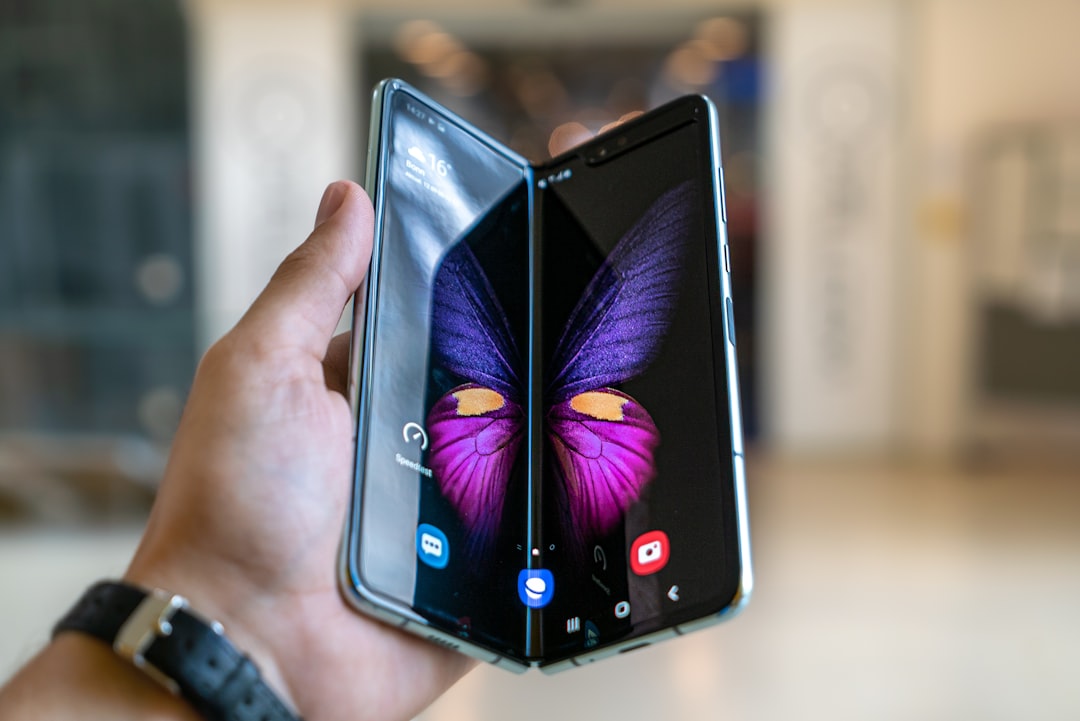
The foldable phone market has evolved dramatically since the first-generation devices launched with hefty price tags and questionable durability. As we move through 2026, foldable phones have transitioned from experimental curiosities to genuine mainstream options, offering compelling advantages over traditional smartphones while addressing most early concerns.
The State of Foldable Phones in 2026
Foldable phones in 2026 represent the fourth or fifth generation of devices from most manufacturers, meaning the technology has matured considerably. The crease that once dominated the center of folding displays has become barely noticeable, hinge mechanisms have proven their durability over hundreds of thousands of folds, and software optimization has reached a point where multitasking feels natural rather than forced.
Major manufacturers including Samsung, Google, Motorola, OnePlus, and Honor have all committed to the foldable format, creating healthy competition that drives innovation while pushing prices down. We’re now seeing foldable devices priced competitively with flagship traditional smartphones, removing one of the biggest barriers to adoption.
Key Technologies Defining Foldable Phones 2026
Ultra-Thin Glass (UTG) and Advanced Screen Protection
The latest generation of foldable phones features third-generation Ultra-Thin Glass technology, which offers significantly better scratch resistance than earlier plastic polymers while maintaining flexibility. Many manufacturers have also implemented self-healing coatings that can repair minor scratches through heat activation, either from ambient temperature or active processes.
Screen protectors have also evolved, with manufacturers now offering pre-installed, replaceable protectors that don’t compromise touch sensitivity or visual clarity. This addresses one of the earliest pain points where removing factory screen protectors often voided warranties.
Hinge Engineering Advances
Hinge mechanisms in 2026 foldables are engineering marvels. Most devices now feature waterdrop or teardrop hinges that minimize stress on the display when folded, contributing to improved longevity. These hinges support multiple stopping angles, allowing users to prop devices at various positions for hands-free video calls, content consumption, or photography.
Water resistance has also improved, with several flagship foldables now offering IPX8 ratings, meaning they can withstand submersion in water despite the complex hinge mechanism. This represents a significant achievement in mechanical engineering.
Battery and Charging Technology
Battery technology has kept pace with the unique form factor challenges of foldables. Most devices now incorporate dual-battery systems that distribute power across both halves of the device, allowing for better thermal management and more efficient charging. Fast charging capabilities typically range from 45W to 65W, with full charges achievable in under an hour.
Wireless charging and reverse wireless charging have become standard features, eliminating the compromise that existed in earlier generations.
Form Factors: Book-Style vs. Flip-Style Foldables
Book-Style Foldables
Book-style foldables open like a book to reveal a tablet-sized display, typically ranging from 7.6 to 8 inches diagonally. These devices excel at productivity tasks, offering genuine multitasking capabilities with multiple apps running simultaneously in resizable windows. They’re ideal for users who want a tablet experience that fits in a pocket.
The outer cover display on book-style foldables has grown significantly, with many now featuring 6.2 to 6.4-inch screens that function as capable standalone phones. This means users can handle quick tasks without unfolding the device, preserving battery life and reducing wear on the hinge.
Flip-Style Foldables
Flip-style foldables take a traditional smartphone form factor and fold it in half, creating an ultra-compact device that fits easily in small pockets or bags. These devices appeal to users prioritizing portability and style over maximum screen real estate.
The compact form factor makes flip phones particularly popular for photography, as the device can be partially folded to create its own stand for hands-free shots. Cover displays have expanded to 3-4 inches, allowing users to handle notifications, quick replies, and even full apps without opening the device.
Software Optimization in 2026
Software has arguably improved more than hardware in the foldable space. Android’s native foldable support has matured significantly, with seamless app continuity when transitioning between folded and unfolded states. Most major apps now support multi-window modes and adaptive layouts that take full advantage of the expanded screen space.
Manufacturers have developed intuitive gestures for multitasking, such as swiping from the edge to create split-screen views or dragging content between apps. AI-powered task suggestions learn user behavior patterns to recommend relevant app combinations and layouts.
What to Consider Before Buying
Durability and Longevity
While durability has improved dramatically, foldables still require more careful handling than traditional smartphones. The folding display remains more susceptible to damage from sharp objects, and the hinge mechanism adds complexity that could potentially fail. However, most manufacturers now offer comprehensive warranty programs covering screen defects and hinge issues.
Price Positioning
Foldable phones in 2026 range from mid-tier devices starting around $700 to premium flagships exceeding $1,800. The price reflects the complex engineering required but has become much more accessible than early generations. Consider whether the unique form factor justifies the premium over traditional flagship phones.
Use Case Alignment
Foldables aren’t for everyone. They excel for users who consume lots of media, need genuine multitasking on mobile, or want maximum portability. However, if you primarily use your phone for basic communication and social media, a traditional smartphone might serve you better at a lower cost.
Top Features to Look For
When shopping for foldable phones in 2026, prioritize devices with:
- Crease visibility minimization through advanced hinge design
- Large, functional cover displays for quick interactions
- Water resistance rating of at least IPX4
- Minimum 256GB storage (limited expandability in most models)
- High-refresh-rate displays (120Hz or higher) on both screens
- Multi-camera systems comparable to flagship traditional phones
- Fast charging support (45W minimum)
- Manufacturer warranty covering screen and hinge
The Future of Foldables
Foldable phones have matured from experimental devices to viable mainstream options in 2026. While they still command a premium and require slightly more care than traditional smartphones, the benefits they offer in terms of screen real estate, productivity, and versatility make them compelling choices for the right users.
As manufacturing processes improve and competition intensifies, we can expect prices to continue declining while durability and features improve. For enthusiasts and early adopters willing to embrace the form factor, 2026 represents an excellent time to join the foldable revolution.
