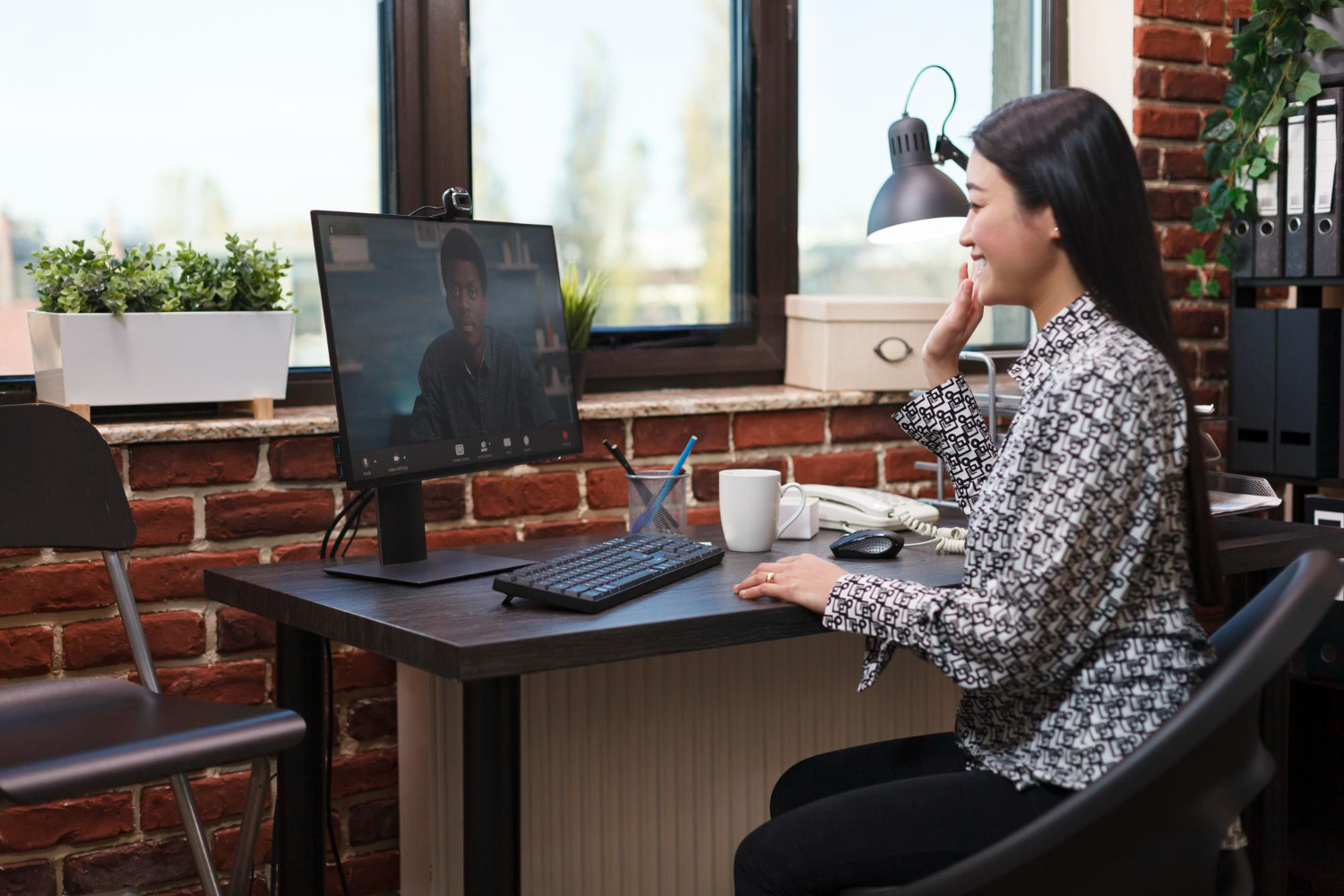
Telecommuting has transformed how professionals conduct their day-to-day operations. Organizations and individuals have become reliant on online applications and intelligent gadgets to be productive. Computing for remote work setup with strong computational dependence is a significant source of efficiency, comfort, and long-term success.
We have also heard at Technogater that creating a consistent remote work setting is far more than owning a laptop. It involves choosing hardware, tools, and practices. It will be a guide in planning an arrangement that encourages performance, teamwork, and focus.
Why a Proper Remote Work Setup Matters
The remote working system is more likely to be planned to be more effective and reduce the stress of daily life. Poor hardware choice or an unstable connection can disrupt workflows and disappoint people. These problems directly affect the quality of work and time limits.
Proper investments in the tools make a professional environment at home. It also keeps your health safe by eliminating physical stress. A considerate arrangement guarantees consistency and improved work-life balance.
Understanding Computing for Remote Work Setup
Computing for remote work setup is the entire set of hardware, software, connections, and workspace. It facilitates day-to-day activities of communication, file management, and collaboration. All the parts should be working.
An efficient installation is adjustable and can grow. It fits according to your job, workload, and future. These are just some of the basics you need to know when making a purchase decision.
Essential Hardware for Remote Work
Any remote working environment is based on hardware. Selecting appropriate equipment ensures stability and durability. We shall look at the main elements in detail.
Laptops vs Desktop Computers
Laptops and desktops have their benefits depending on the work mode. Laptops are mobile, and they can be used in flexible workplaces. The desktops have better performance and upgrade options.
Consider these factors before choosing:
- Processing power requirements Process
- Portability needs
- Flexibility of the budget and upgrades.
- Available workspace at home
Monitors and Display Setup
An external monitor will help improve the work process and reduce eye strain. Two-monitor setups are useful for multitasking and handling large workflows. Long hours require a resolution and screen size.
Creators of design or data work also consider it advantageous to possess bigger screens. Monitor stands are adjustable to improve comfort and posture. This upgrade is very computer effective.
Keyboards, Mice, and Ergonomic Accessories
With ergonomic accessories, repetitive strain injuries are prevented. Mechanical keyboards are more robust and possess superior feedback. The wireless mice will remove the cable mess and improve motion.
Recommended ergonomic accessories include:
- Adjustable keyboard trays
- Vertical or ergonomic mice
- Wrist rests for support
- The laptop provides a better screen height.
Internet Connectivity and Network Equipment
Remote work cannot be successful without a stable internet connection. The use of video calls, cloud services, and file transfers relies on continuous connectivity. The lack of strong connectivity disrupts teamwork in a remote work environment.
There is a need for high-speed broadband connectivity. Dual-band routers are superior in today’s world. Wireless connections are also used where feasible; Ethernet is more stable than Wi-Fi.
Software Tools for Remote Work Productivity
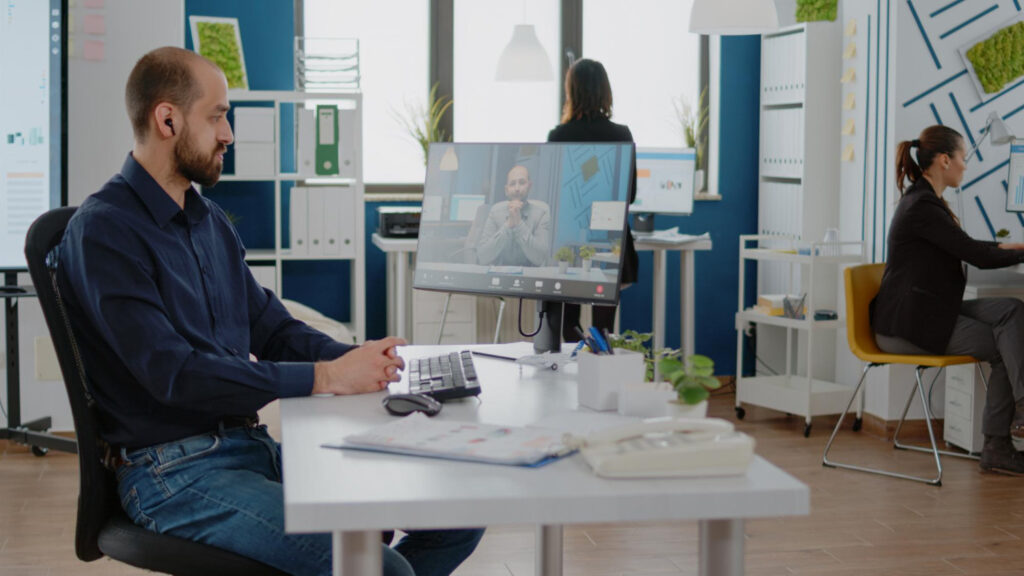
Online collaboration is premised on software. The applications are the ones that make communication and task management easier. They also ensure safe data management.
Communication and Collaboration Tools
The communication process ensures that teams are on track: video conferencing and messaging technologies cross the distance barriers. The platforms are used to facilitate meetings, file sharing, and real-time discussions.
Popular communication tools include:
- Video conferencing applications.
- Team messaging apps
- Virtual whiteboards
- Screen sharing tools
Project Management Software
The project management tools help track tasks and deadlines. They enhance accountability and transparency. Teams do not have to check in regularly.
The tools facilitate agile workflow and reporting. They are also equipped with other applications to be efficient. Selecting the appropriate platform increases productivity.
Cloud Storage and File Sharing
Cloud storage ensures data availability everywhere. It lessens the reliance on physical desires. Collaboration and backup security are enhanced through secure file sharing.
Automatic version control and syncing are advantageous to professionals. These functions ensure that data is not lost or duplicated. The use of cloud tools is also necessary for remote work arrangements and computing for remote work setup.
Cybersecurity Essentials for Remote Work
Preeminence of security in remote environments. Home networks are, in most cases, more susceptible than office systems. There are strong security controls over sensitive information.
Install antivirus software and firewalls. Allow multi-factor authentication of accounts. Frequent changes minimize security threats and weaknesses.
Ergonomics and Workspace Optimization
Productivity and health are directly related to comfort. Lack of a proper workstation causes exhaustion and suffering. Ergonomics embraces long working hours.
Key ergonomic tips include:
- Sit on adjustable lumbar-supported chairs.
- Keep screens at eye level.
- Maintain proper desk height.
- The movements should be taken regularly.
Power Backup and Hardware Maintenance
Power interruptions can make work difficult and cause data loss. Power back will provide continuity. It also prevents voltage fluctuations in devices.
Routine hardware maintenance extends its lifespan. Wipe equipment to avoid overheating. Install better performance drivers and firmware.
Tips to Improve Performance in Remote Work
Hardware and software are only part of the optimization of your setup. Intelligent practices enhance productivity and concentration. Minor adjustments bring significant consequences.
Helpful performance tips include:
- Always have a strict working time.
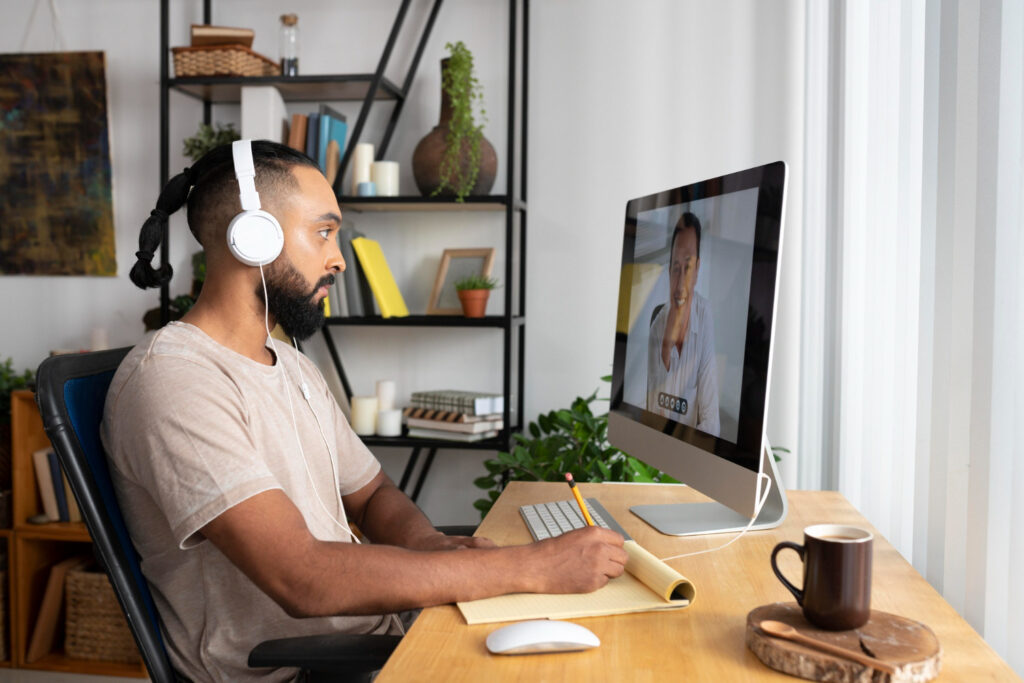
- Wear noise-canceling headphones.
- Arrange cables and the work area.
- Automate repetitive tasks
Common Mistakes to Avoid
Most remote employees miss essential information. Such errors make the work less productive and comfortable. Preventing them will save money and time.
Among the most common errors are not sitting correctly, using weak passwords, and using obsolete hardware. Risks are also augmented by ignoring backups and security. These problems are prevented through planning.
Future Trends in Remote Work Computing
The technology of remote working is still developing. AI tools and cloud computing are becoming the norm. Online teamwork systems are becoming increasingly sophisticated.
The hybrid work model will increase the need for flexible arrangements. Energy-efficient devices will become popular. Keeping up to date is a guarantee of long-term success.
FAQs
1. What is computing for remote work setup?
Remote work computing encompasses the software, hardware, and connectivity required to work remotely. It guarantees productivity, safety, and comfort.
2. Why is computing for remote work setup necessary?
An effective remote working computing environment enhances performance and minimizes downtime. It endorses teamwork and secures confidential information.
3. What hardware is essential for computing in a remote work setup?
The main hardware components include a good computer, a monitor, a keyboard, a mouse, and networking devices. These devices are the heart of the remote computing setup.
4. How can I secure my computing for remote work setup?
Even with your remote work arrangement, you can ensure your computing is secure with antivirus software, strong passwords, and encrypted connections. Safety is also enhanced when the updates are regular.
5. Can computing for remote work setup improve productivity?
Yes, a strategized remote work computing system minimizes distractions and technical problems. It establishes a stress-free and effective working atmosphere.
Final Thoughts
Remote work requires an investment in practical computing for remote work setup. The right mix of tools, hardware, and habits will create a professional setting at home. All the components are significant.
At Technogater, smart technology decisions enable superior working experiences. Remote work can be efficient, safe, and sustainable with the proper planning and optimization.
