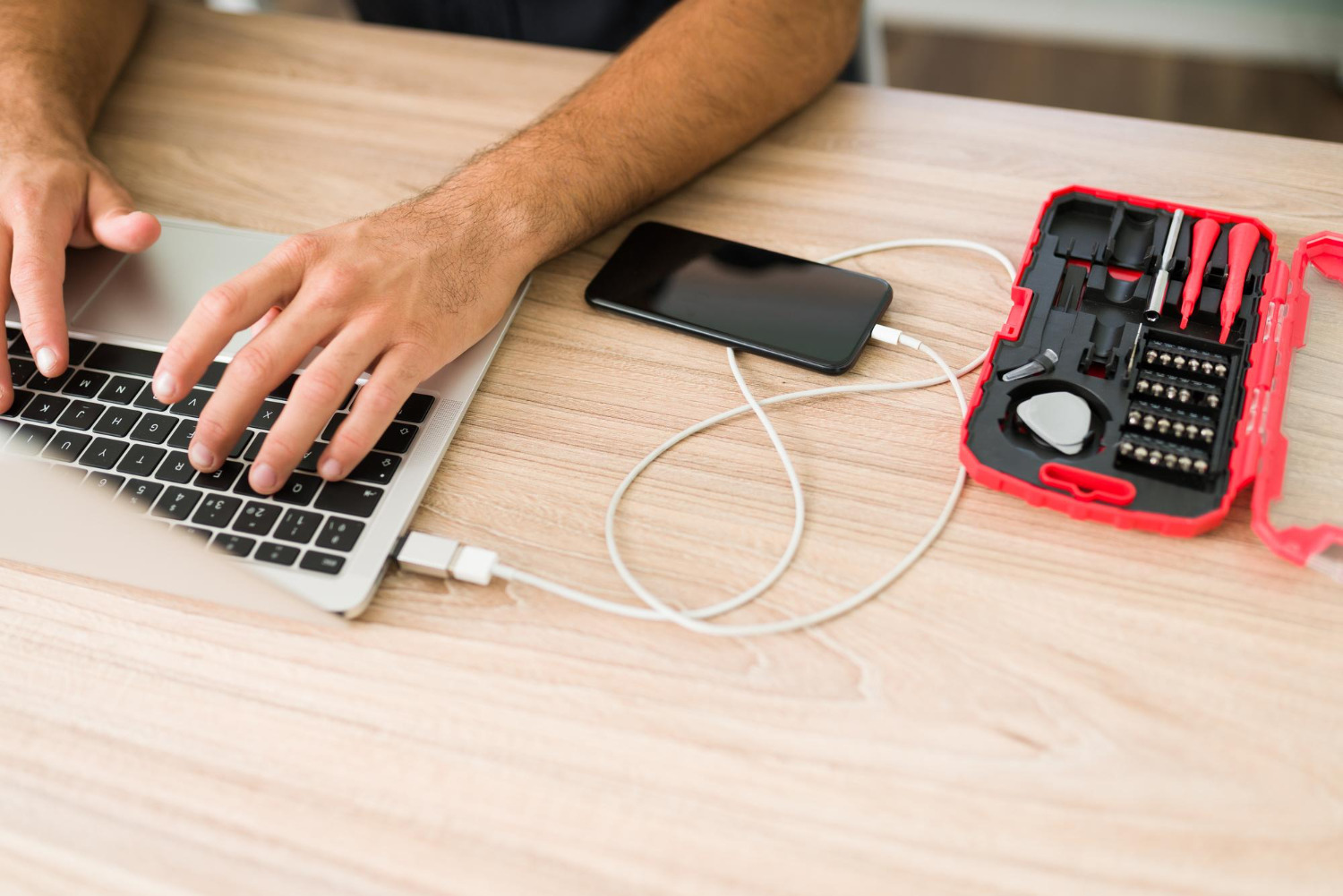
Contemporary devices are strong and small and cannot be ignored. Nonetheless, there is one common problem associated with increased performance: heat. Before smartphones and gaming PCs, temperature control became essential.
This guide discusses remedies for electronic device overheating solutions, which can be used to ensure a longer, better-performing, and data-rich device lifespan without the hassle of technical steps.
Technogater specializes in practical, user-friendly technology. Whether an amateur or a professional user, knowing what causes devices to overheat and how to address the issue could save money and minimize long-term damage.
Understanding Device Overheating
Electronic appliances produce heat as a by-product of power consumption. The harder the tasks are, the harder the processors, batteries, and internal components work. Heat is a problem when it is not effectively addressed.
A majority of contemporary devices have safety systems that reduce performance or shut down to avoid damage. Although useful, these actions tend to disrupt the working process and indicate more serious problems that should be addressed.
Common Causes of Overheating in Electronic Devices
Overheating in electronic devices rarely occurs without a cause. It is most often a combination of internal stress and external conditions.
Primary Causes Include
- Inadequate breathing or obstructed airflow
- Accumulation of dust in laptops and PCs.
- Continuous applications on high-performance.
- Faulty or aging batteries
- Direct contact with sunlight or high room temperature.
Knowledge of these causes helps users choose the appropriate fix rather than short-term workarounds.
Signs Your Device Is Overheating
Gadgets typically provide easy-to-understand warnings before severe damage occurs. These signs can be identified early to avoid costly repairs.
Warning Indicators
- Sudden slowdowns or lag
- Unexpected shutdowns
- Surfaces that get hot, particularly around vents or batteries.
- Excessive loudness of fans in laptops or personal computers.
- The battery is depleting faster than before.
These symptoms are usually ignored, which shortens device lifespan.
Electronic Device Overheating Solutions: A Practical Overview
The repair of the heating system does not always require professional work. Most electronic device overheating solutions aim to enhance airflow, reduce workload, and keep hardware clean. These applications are compatible with phones, laptops, and desktops.
Even minor shifts in the consumption patterns usually produce a tangible impact. Diversification of strategies tends to deliver optimal outcomes.
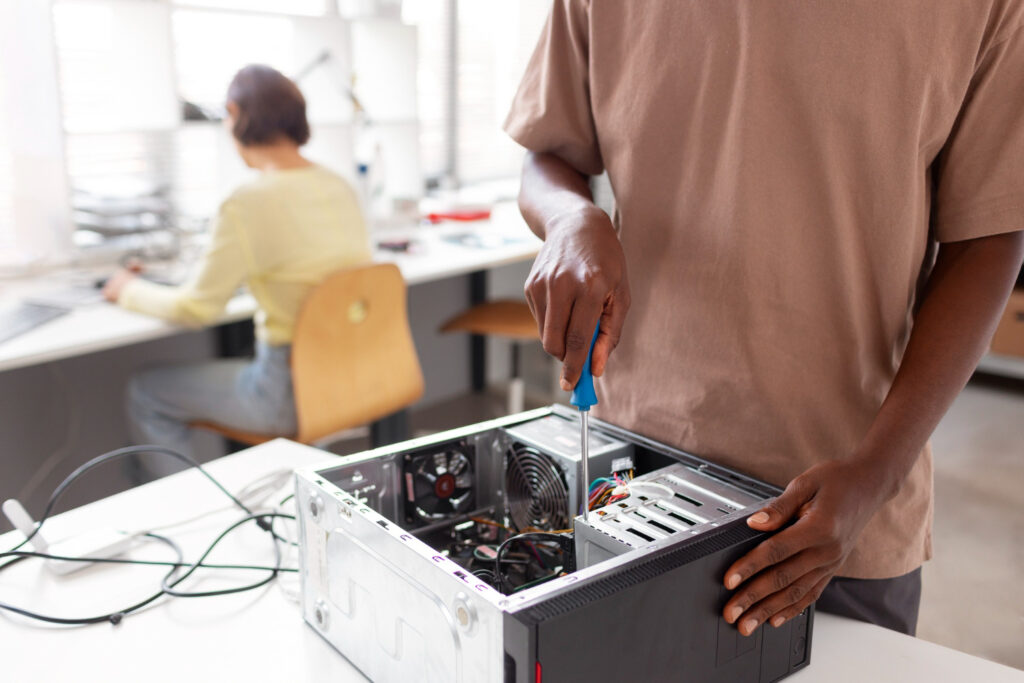
Smartphone Overheating: Causes and Fixes
Their small size and closed design make smartphones particularly susceptible to heat. The devices are likely to overheat due to heavy use, quick charging, and weak signal coverage.
Smartphone Cooling Tips
- Take off thick or insulated cases when they are in heavy use.
- Do not charge phones while they are in use.
- Close open background programs.
- Lower screen brightness
- Store equipment away from direct sunlight.
The charging process produces heat, so the use of certified chargers is necessary for safety and efficiency.
Laptop Overheating Problems and How to Resolve Them
Laptops have high processing power but minimal ventilation space. Over time, internal dust and eroded thermal paste may significantly reduce cooling effectiveness.
Laptop Cooling Best Practices
- Laptops should be put on hard surfaces.
- Clean vents with compressed air regularly.
- Monolithic thermal paste must be replaced every few years.
- Work on cooling pads for use with long workloads.
- Change out the system drivers and BIOS.
Periodic repairs ensure internal fans function correctly and prevent overheating.
Desktop PC Overheating and Cooling Best Practices
Desktop PCs have better temperature control flexibility. Nevertheless, even high-performance APUs such as GPUs and CPUs may overheat when used.
Effective Desktop Cooling Methods
- Install a high-quality case fan.
- Cable management should be made appropriate.
- Wipe down internal components every 3 months.
- Measuring temperatures with the help of software.
- Install new CPU or GPU coolers where necessary.
Good airflow design is the basis for good desktop performance.
Environmental and Usage Factors That Increase Heat
The problem is sometimes the environment and not the device. Heat is more quickly gained in unventilated or poorly ventilated areas.
Environmental Risk Factors
- High room temperature
- Poor ventilation
- Covering surfaces with soft materials that do not allow air to get in or out.
- Extended working hours without rest.
Periodic cooling is beneficial for device performance and for reducing wear.
Electronic Device Overheating Solutions for Long-Term Device Health
The long-term care has to be consistent. Use of proven electronic device overheating solutions will ensure sustained performance over the next few years. Devices that operate at low temperatures last longer and are more predictable.
Regular testing, proper charging practices, and limited workload contribute significantly to internal component stress.
Preventive Maintenance Tips for All Devices
It is always better to prevent rather than cure. Basic practices will ensure that devices are kept at safe temperatures.
Maintenance Checklist
- Keep software updated
- Do not be overly multitasking.
- Turn off equipment when idle.
- Clean hardware regularly
- Keep the store devices in dry and cool places.
These habits safeguard hardware and data integrity.
When Overheating Becomes a Serious Issue
In cases of overheating that cannot be resolved with simple solutions, an expert inspection may be required. Internal circuits and batteries can be damaged by prolonged exposure to high temperatures.
Seek Professional Help If
- The devices are often switched off.
- Batteries swell or deform.
- Fans stop functioning
- Burning smells occur
The disregard of serious heat problems may be irreparable.
Choosing the Right Accessories to Reduce Heat
Heat access provides significance in accessories. Products are not made the same way, and quality counts.
Recommended Accessories
- Laptop cooling pads
- Adjustable device stands
- Certified chargers
- Ventilated phone cases
The design of accessories should be carefully selected to increase airflow and reduce thermal stress.
Electronic Device Overheating Solutions for Home and Office Users
Structured heat management is helpful in both home and office settings. Structured work environments enhance air and minimise the pressure on equipment.
Using the same overheating solution across all electronic devices would make the digital environment safer and more effective. This strategy can particularly be applied to remote employees and gamers.
FAQs
1. What are the most effective electronic device overheating solutions?
The best methods for addressing overheating in electronic devices are to enhance airflow, reduce workload, and perform routine maintenance.
2. Can electronic device overheating solutions extend device lifespan?
Yes, regular application of electronic device overheating solutions minimizes internal strain, improving equipment longevity and reliability.
3. Are electronic device overheating solutions expensive?
The overwhelming majority of solutions to overheating in electronic devices are low-cost and entail basic steps such as cleaning, adjusting locations, and improving accessories.
4. Do electronic device overheating solutions differ by device type?
Although the strategies differ, the leading electronic device solutions focus on airflow, cooling, and device use control.
5. How often should electronic device overheating solutions be applied?
Simple electronic device overheating precautions must be implemented continuously, and more rigorous maintenance must be performed every few months.
Final Thoughts
When addressed and appropriately, electronic device overheating solutions can be overcome. With the right tools, habits, and knowledge, users can protect their devices and ensure maximum performance.
At Technogater, innovative technology solutions begin with good care. Learning to handle heat is an essential aspect of making devices perform to their full potential.
