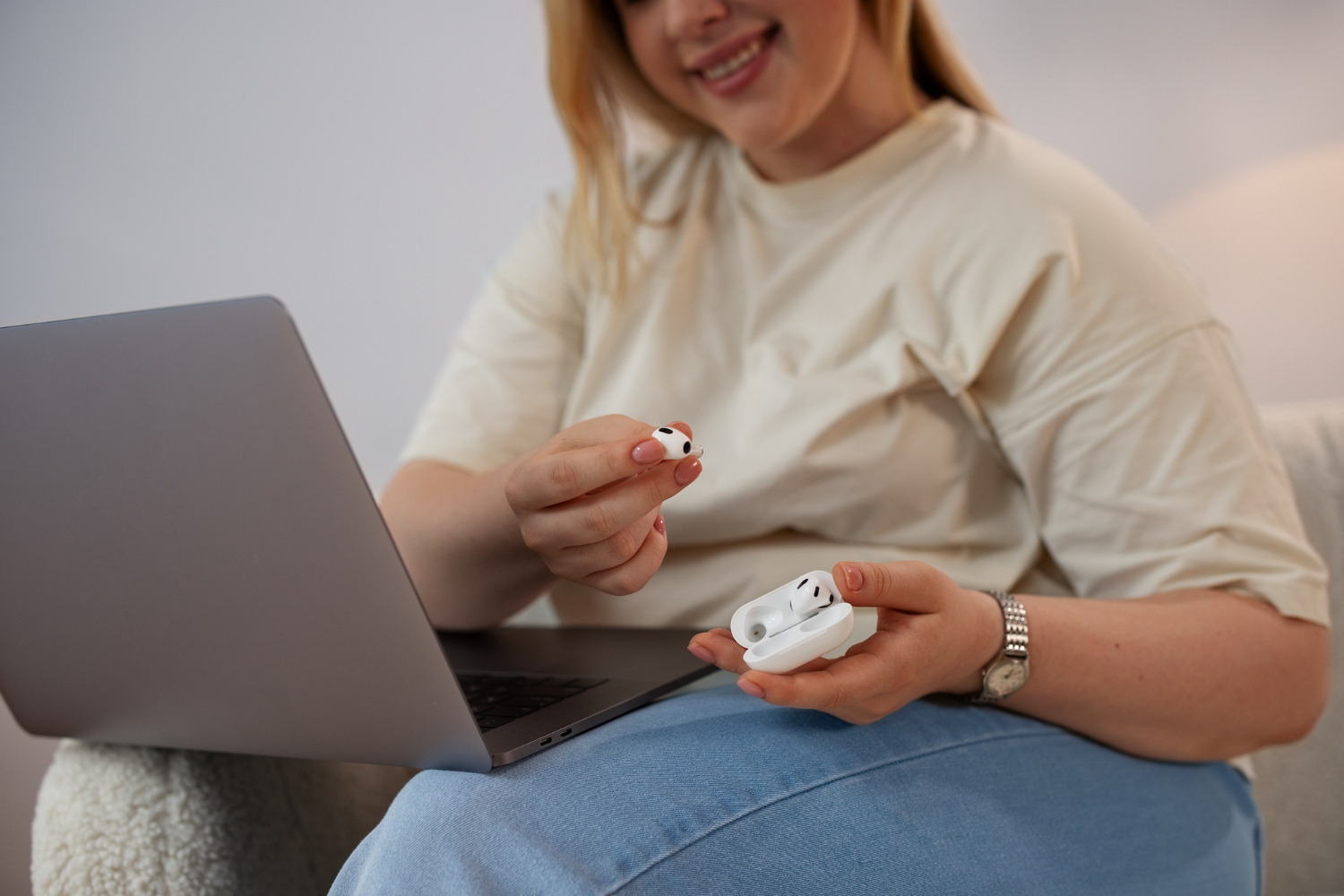
Bluetooth technology has changed the way we allow our devices to integrate headphones and speakers with smartwatches and cars. However, Bluetooth pairing issues can spoil such a smooth experience in a few seconds.
These hiccups of pairing are very irritating, whether your phone refuses to connect to wireless earbuds or your computer will not connect to a keyboard. But the good news? The majority of Bluetooth issues can be easily resolved when you know where to locate them.
Throughout this Techno Gater Guide 2025, we will guide you through easy and feasible steps on how to diagnose, fix, and avoid Bluetooth pairing issues within a relatively short period of time.
Common Causes of Bluetooth Pairing Issues
Our initial take on the fixes before getting immersed in it is to know what Bluetooth pairing is all about. Being aware of the cause will enable you to implement the appropriate solution immediately.
The most popular offenders are the following:
- Outdated Software: Firmware can be viewed as an example of compatibility errors.
- Interference: The pairing can be affected by Wi-Fi signals, microwaves, or other Bluetooth devices.
- Device Incompatibility: Some devices do not support specific Bluetooth profiles.
- Low Battery: A low battery level may diminish the signal strength of Bluetooth.
- Corrupted Pairing Data: Sometimes, reconnection attempts are affected by data stored as a cache.
The first step to resolving your Bluetooth pairing problems, whether quickly or in the long term, is to identify the source of the issue.
Quick Fixes for Bluetooth Pairing Problems
Restart Your Devices
It may be oversimplified, but a simple restart of your devices usually resolves minor software glitches that cause the Bluetooth pairing issue. Switch off the two devices and wait a few seconds before restarting them. This reformats temporary memory and eliminates minor glitches that disrupt Bluetooth connectivity.
Check Compatibility
Ensure your devices are compatible before attempting to pair. The aged devices may have old versions of Bluetooth that do not support the newer profiles.
Check:
- Bluetooth version (e.g., 4.0, 5.0, or 5.3)
- Codec codecs (such as AAC or aptX)
- Limitations on distance (a majority of devices function best at a distance of 10 meters)
If compatibility is the issue, no troubleshooting will resolve it; you may need to update the firmware or use an adapter to resolve the issue.
Reset Bluetooth Settings
The last measure to take is to reset Bluetooth settings when nothing appears to work. This measure eliminates all the former pairings and reboots the Bluetooth module.
Steps to reset Bluetooth:
- Go to Settings > Bluetooth.
- Forget All Devices or Tap Reset.
- Reboot the device.
- Combine once again with your accessory.
This fix removes corrupt pairing information, which is the most frequent reason behind repeated Bluetooth pairing issues.
Remove and Re-pair Devices
In some instances, your device may recall an old connection that is no longer functioning correctly. Removing such a connection and re-pairing may be a good solution in the immediate future.
To remove and re-pair:
- Open Bluetooth Settings.
- Look in Paired Devices.
- Select Forget Device.
- Restart Bluetooth by turning the switch off, then turning it back on.
This restores a new and uninterrupted connection between the two devices.
Bluetooth Pairing Issues Across Devices
Android Devices
Android cell phones may experience difficulty connecting to Bluetooth due to system bugs or storage system faults.
Try these steps:
- Switch the Bluetooth on and off.
- Clear the Bluetooth cache in Settings > Apps > Bluetooth.
- Patch to the newest Android.
If the problem persists, you can reset your network settings and rearrange your Bluetooth defaults.
iPhones
For iPhone users, the issue with Bluetooth often arises after updating their iOS.
To fix them:
- Click Settings, Bluetooth, and switch it off/on.
- Lose the gadget, and reconnect.
- Reset Network Settings: Settings > General > Transfer or Reset iPhone> Reset Network Settings.
In case of issues, update to the latest iOS version. Apple frequently provides patches to resolve known Bluetooth pairing issues.
Windows Laptops
Bluetooth pairing is problematic for Windows users due to driver incompatibility or outdated adapters.
Steps to fix:
- Open Device Manager.
- Expand Bluetooth.
- Click your adapter (Right).
- Restart the system.
You should ensure that your Bluetooth service is started as well:
- Press Windows + R, then visit services.msc, and ensure that the Bluetooth Support Service is set to Automatic.
Mac Devices
Users of Mac can resolve the problem of Bluetooth pairing by resetting the Bluetooth module:
- Press Shift and Option and then click the Bluetooth icon.
- Select Reset the Bluetooth Module.
- Re-pair your devices.
If that is not helpful, you can delete the file in the /Library/Preferences/ folder named com.apple.Bluetooth.plist and restart your Mac. This causes macOS to recreate a fresh Bluetooth setup.
Advanced Troubleshooting Techniques
Update Bluetooth Drivers
It is also essential to update your drivers to avoid any Bluetooth pairing issues. In the case of PCs and Android, drivers are updated to eliminate bugs and enhance the performance of the connectivity.
To check updates:
- On Windows: Device Manager or Windows Update.
- Android/iPhone: System software should be updated regularly.
New drivers can frequently enhance support for new equipment.
Reset Network Settings
In the event of a conflict between Bluetooth and Wi-Fi, a network reset may be helpful. This erases all connection-related data, providing Bluetooth with a clean slate.
Steps:
- Android: Settings> System Reset> Wi-Fi, Mobile, and Bluetooth.
- In the iPhone: Settings > General > Reset > Reset Network Settings.
This can automatically resolve long-standing Bluetooth pairing problems across various devices.
Check for Firmware Updates
There are numerous Bluetooth-compatible accessories, such as earbuds, speakers, and smartwatches, which are updated with new firmware. The update is issued by manufacturers to address bugs or to enhance the stability of the connection.
Check the companion app (e.g., Bose Connect, Sony Headphones Connect, or Garmin Connect) regularly to ensure the firmware is up to date.
Obsolete firmware is the cause of unforeseen Bluetooth pairing problems, particularly with recent smartphones.
How to Prevent Bluetooth Pairing Issues
It is better to avoid issues with Bluetooth and resolve them promptly. The following are prevention measures to make your connections healthy:
- Software and firmware should also be updated.
- Do not put too many devices simultaneously.
- Remain in the suggested distance (below 10 meters).
- Bluetooth connections that are not in use should be turned off to minimize interference.
- You should restart your devices once a week to eliminate temporary glitches and run them optimally.
- Always keep devices charged, as a low battery can decrease the signal quality.
These practices will help reduce the issue of pairing Bluetooth devices, making your connection seamless and uninterrupted.
When to Seek Professional Help
If you have already performed all troubleshooting steps and your Bluetooth is still not connecting, then there is a possibility that the problem is hardware-related. The main common issues with hardware are:
- Damaged Bluetooth antenna
- Faulty adapter or receiver
- Short-circuiting in your appliance.
In this instance, the best course of action is to visit a certified repair center. With the help of tech professionals, the internal Bluetooth component of your devices can be diagnosed, and defective components can be replaced safely and securely.
FAQs
1. Why do Bluetooth pairing issues happen so often?
The problem of Bluetooth pairing is often caused by interference from other wireless devices, outdated software, or incompatibility between the two connected devices. Signals and interrupt connections can also be reduced by environmental factors, e.g., walls or electronic clutter.
2. How can I fix Bluetooth pairing issues quickly?
The quickest way to solve the problem of pairing via Bluetooth is to restart the two devices, clear the current paired connection, and re-pair. These basic steps re-establish the connection, resolve temporary glitches, and in many cases, immediately reinstate Bluetooth communication.
3. Are Bluetooth pairing issues common after updates?
Indeed, the problem with Bluetooth pairing is relatively frequent following software updates. Bluetooth settings can also be restored to default by updates, and compatibility protocols can be changed, resulting in transient disconnection until you reconfigure or re-pair.
4. Can a low battery cause Bluetooth pairing issues?
Absolutely. A low battery in your device can reduce the performance of Bluetooth to conserve power, resulting in weak signals or pairing failures. Always keep your devices fully charged to enhance the power of the Bluetooth connections.
5. What’s the best way to prevent Bluetooth pairing issues?
The most effective method for resolving Bluetooth pairing issues is to ensure that devices are updated, charged, and positioned at an optimal range. It is always a good idea to clear the old or unused pairing so that future conflicts can be avoided and future Bluetooth connectivity remains uninterrupted.
Conclusion
Bluetooth has become an indispensable aspect of our daily technological existence; however, in the event of Bluetooth pairing problems, it can disrupt productivity and enjoyment.
Fortunately, the majority of issues, such as interference and software bugs, can be resolved in a few minutes with the help of the guidelines described in this Techno Gater Guide 2025.
You can save time and headaches when pairing your headphones with your keyboard, smartwatch, or any other gadget. Stay connected. Stay powered. Stay Techno Gater smart.
