
Model based systems engineering is changing the way complex systems are developed from start to finish. Traditional methods depended on static documents, which quickly became outdated and hard to manage as projects grew in size and complexity.
Today, with the pressure to move faster, maintain accuracy, and track every decision, more engineers are relying on model based systems engineering to take full control of their development process and deliver results with greater confidence.
What Model Based Systems Engineering Really Means
Model based systems engineering is more than just a software solution. It is a smarter way of building systems, one that places models at the heart of how things are designed, tested, and refined.
Instead of shuffling through documents and disconnected files, teams work with a single, evolving model that brings everything together including requirements, behaviors, system logic, and how it all fits.
With MBSE, everyone involved is on the same page from day one. You are not guessing what a requirement means or wondering how a change will ripple through the system.
The model shows it clearly. As soon as something changes, you can see the impact across the entire design immediately. That kind of clarity saves time, prevents errors, and keeps development moving in the right direction.
Why MBSE Matters Today
When you build a system with hundreds of components, failure often begins with miscommunication. A document gets outdated, or one team interprets a requirement differently. Model based systems engineering eliminates that risk by giving everyone access to a living model that reflects the current design, assumptions, and goals.
That model is more than a diagram. It is a structured, logical representation of the full system. Teams can simulate behavior, verify performance, run trade studies, and trace each decision back to the original requirement.
Because of that, MBSE supports faster development, better collaboration, and fewer surprises during integration and testing.
What a Good MBSE Setup Includes
Model based systems engineering only works when built on a solid foundation. Here are the key elements every serious MBSE approach includes:
Clear and Structured System Models
The models used in MBSE cover many views of a system. You will find representations of requirements, logical architecture, physical structure, functional behavior, interfaces, and constraints. These models give both the big picture and the fine details.
The most widely used modeling language is SysML, or Systems Modeling Language. It helps engineers represent different parts of the system clearly and accurately.
Strong Modeling Tools
Building and managing system models takes more than just diagrams. It requires robust tools that are built for the job.
Engineers often use trusted platforms like Cameo Systems Modeler, IBM Rhapsody, PTC Integrity Modeler, and Siemens Polarion. These tools do more than help with modeling, they support architecture design, system behavior, simulation, and tracking requirements in one place. They also work well with other essential systems, so everything stays connected across the entire development workflow.
Consistent Standards
Model based systems engineering works best when teams follow a clear and unified structure. Using an industry standard like SysML gives everyone a common framework to build from. In some cases, depending on the system or domain, teams might use AADL or UML.
Consistency is not optional in model based systems engineering. Using the same modeling language across the board ensures that every team is working from the same rules and structure. This eliminates confusion, reduces rework, and keeps collaboration efficient, especially on large, complex projects where precision and alignment are critical.
Connection Across the Lifecycle
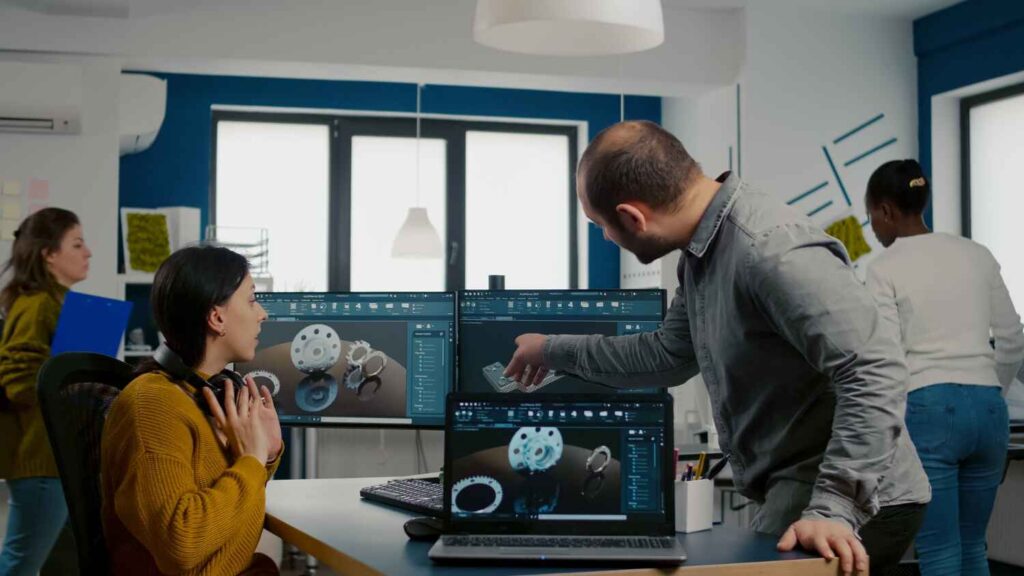
Modern MBSE ties into the entire product lifecycle. It is not just for design. The model connects to simulation, testing, software development, and even operations. This creates a digital thread that links every phase of the system’s life—from concept to retirement.
Practical Benefits That MBSE Brings
When a company shifts to model based systems engineering, the payoff is not theoretical—it shows up in real work, every day.
Everyone stays aligned
Instead of passing around separate documents, teams work off a single model. That model becomes the one source of truth. It keeps engineers, software developers, testers, and project leads on the same page, without the usual back and forth.
You can trace everything
From the first requirement all the way to final validation, every step is linked. If something changes, you see exactly what it touches. There is no guessing, which makes it easier to manage risk and keep everything compliant.
Problems show up sooner, not later
You do not need to wait for a prototype to find design issues. Simulating behavior inside the model lets you spot trouble early—before it costs time, money, or momentum.
Faster changes, fewer mistakes
Because the model updates as you work, teams can make decisions quickly and move forward with confidence. No outdated spreadsheets, no conflicting specs. Just a clear system that reflects what is really happening.
Consistency and Control
Model based systems engineering enforces structure. It becomes easier to manage large teams, enforce design rules, and keep documentation consistent.
Lifecycle Confidence
The digital model does not fade over time. It grows and evolves with the system. This supports future upgrades, safety audits, or integration with new technologies down the road.
Common Challenges When Starting
Switching to MBSE takes planning. It changes how teams work and requires investment in training and tools. Here are a few challenges to expect:
Team Readiness
Some engineers are more comfortable with documents than with structured models. Training and mentorship are key to helping everyone adopt the new approach.
Tool Complexity
MBSE tools are powerful but can be overwhelming at first. Starting with a simple pilot project can help teams learn and see value without getting buried in complexity.
Integration Issues
Not all tools talk to each other easily. It takes planning to ensure your modeling platform connects well with your simulation, software, and testing environments.
Model Maintenance
As systems grow, models can become large and difficult to manage. It is important to design them modularly and enforce modeling discipline to keep things clean and scalable.
Where MBSE Is Already Working
Leading organizations around the world use model based systems engineering in mission-critical projects.
Aerospace and Space Exploration
NASA uses MBSE in spacecraft design, including missions like the Mars 2020 rover. The models helped track design decisions and ensure safety through every development phase.
Automotive Systems
From electric vehicles to self-driving technology, car makers use MBSE to align software, hardware, and control systems. It is also essential for meeting global safety standards.
Rail and Industrial Infrastructure
Large rail projects rely on MBSE to coordinate signaling, track layout, and onboard control systems. It ensures the full system works as one.
Medical Technology
Companies building life-critical devices like ventilators and diagnostic systems use MBSE to meet strict safety regulations and track requirements from concept to certification.

Model Based Systems and Digital Engineering
MBSE plays a central role in digital engineering. It enables real-time simulation, faster decision-making, and greater collaboration across departments. Engineers can link their models directly to CAD files, control logic, and manufacturing plans.
This leads to better designs and smoother transitions between concept, prototyping, and production.
Looking Ahead: What’s Next for MBSE
Model based systems engineering continues to evolve. Here is what the future looks like:
AI and Automation
Artificial intelligence is beginning to support model generation and review. In the future, AI may help detect design issues automatically or suggest improvements.
Cybersecurity and Safety Modeling
Engineers are building risk and threat models directly into their systems. This makes it easier to design with security and safety in mind from the beginning.
Digital Twins
MBSE is a foundation for creating digital twins—live, virtual versions of real systems. These twins can monitor performance, predict failures, and guide maintenance.
Cloud and Global Collaboration
More modeling tools are moving to cloud environments. This allows global teams to collaborate, version models, and review updates in real time.
Frequently Asked Questions
1. What is model based systems engineering really used for?
It is used to help teams build and manage complex systems more clearly and efficiently. Instead of juggling spreadsheets, long documents, and disconnected notes.
The model based systems engineering gives you one accurate, interactive model that everyone works from. This keeps the process organized, cuts down on confusion, and helps avoid problems later in development.
2. How is it different from traditional systems engineering?
The main difference is how information is managed. Traditional systems engineering is document-heavy, which means updates can get lost or misunderstood.
With model based systems engineering, you work within a living model that updates in real time. This makes it easier to keep track of changes and ensures the entire team is always looking at the most current version of the system.
3. Is MBSE too advanced for small teams or startups?
No, and in many cases, it actually helps smaller teams more. When people wear multiple hats, having one reliable model keeps everyone in sync and avoids mistakes.
You do not need a huge budget or a full IT department to make it work. Starting small with the right tool and a clear plan can make a big difference without adding unnecessary complexity.
Final Thoughts
Model based systems engineering is no longer optional for modern projects. It is the smart way to handle complexity, maintain quality, and deliver faster. By shifting from documents to models, teams gain full control over their systems from day one.
When done right, MBSE does more than help you design better. It helps you think better, work better, and deliver results with confidence. If you want to stay competitive in engineering, it is time to build your systems around models, not documents.
