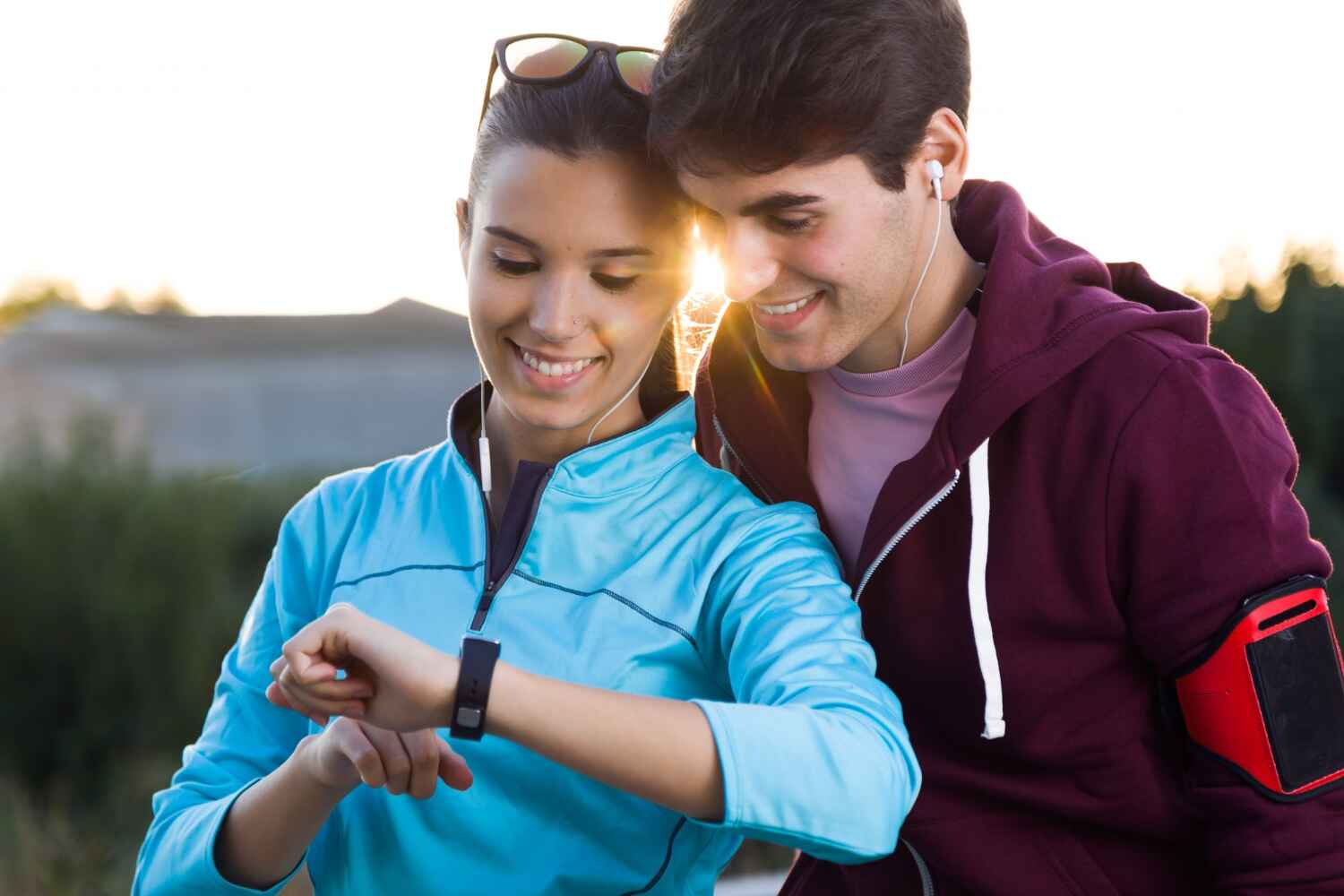
Heart-rate trackers & wearables help monitor your heart rate during rest or movement. These small tools are often built into watches, fitness bands, or smartwatches.
They show how fast or slow your heart is beating in real time. This makes them useful for tracking your health, workouts, sleep, and recovery.
Why Do People Use Heart Monitors?
People want to stay on top of their health. Heart-rate trackers & wearables make that easy.
Some use them to reach fitness goals. Others track their stress levels or sleep patterns. Many use them to notice early signs of health problems.
These devices give real-time updates. You can check your pulse during workouts, walks, or even naps.
Most Common Features
Today’s wearables go beyond heart-rate trackers & wearables. Here’s what many of them also offer:
- Step count: Track daily steps to stay active
- Sleep tracking: Monitor deep and light sleep cycles
- Activity modes: Track different workouts like running, biking, and yoga
- Calories burned: See how many calories you burn each day
- Alerts: Get heart-rate zone warnings or stress notifications
Some can also take blood oxygen levels, ECGs, or even track your breathing.
Who Can Benefit from These Devices?
Anyone can use a heart-rate wearable. But some people need them more:
- Fitness fans: Athletes use them to reach top performance
- People with heart issues: They help keep track of changes
- Sleep trackers: Great for learning about rest and recovery
- Busy workers: A quick pulse check helps manage stress
Different Types of Wearables
You can find many kinds of heart-rate trackers & wearables. Some are simple. Others have more features. Here’s a breakdown:
1. Fitness Bands These are light and slim. They track your steps, heart rate, and basic sleep data. Some examples include Fitbit Inspire or Xiaomi Mi Band.
2. Smartwatches Smartwatches like the Apple Watch or Galaxy Watch track heart rate and much more. They show phone alerts, apps, and health data.
3. Chest Straps These are often used by serious athletes. They provide accurate data during workouts.
4. Rings and Clip-ons Some smart rings track heart rate and sleep. Clip-on trackers are less common but still used.
What to Look for When Buying
Not every tracker fits every person. Choose one that meets your needs. Ask yourself these questions:
- Do you want a simple tracker or one with lots of features?
- Will you wear it all day, or just during workouts?
- Is sleep tracking important to you?
- Do you need GPS or phone alerts?
- What’s your budget?
Check if it syncs with your phone or health apps. Also, battery life matters. Some last a day, others last a week or more.

Best Brands in the Market of Heart-Rate Trackers & Wearables
These names are trusted for good reason:
- Fitbit: Known for simple design and easy use
- Garmin: Great for athletes and outdoor fans
- Apple Watch: Packed with health and app features
- Samsung Galaxy Watch: A solid all-around choice
- WHOOP and Oura: Focused on fitness and recovery
Each brand has options from budget to premium.
Safety and Accuracy
Most wrist-based heart-rate trackers & wearables are good for daily use. They give close-to-accurate readings.
Chest straps are more precise. But for most users, wrist devices are enough.
Always use them as a guide, not a medical tool. For real health problems, talk to a doctor.
How They Help in Everyday Life
Heart-rate trackers & wearables help in many small ways each day:
- You’ll know when to push harder in a workout
- You’ll spot when your heart rate is too high or too low
- You can find out if poor sleep is affecting your mood
- You may notice signs of stress before you feel it
These small changes add up. The more you know, the better choices you can make.
Syncing With Other Devices
Most wearables connect to your phone. They store data in health apps. This helps you track long-term patterns.
You can even set daily or weekly goals. Some apps offer workout plans, guided breathing, or tips for better sleep.
Techno Gater recommends pairing your tracker with apps like Google Fit, Apple Health, or the Fitbit app for best results.
Simple Tips to Use Them Better
- Wear it tight, but not too tight
- Charge it often, but not overnight
- Check your heart rate in the morning
- Use activity modes for more detail
- Look at trends, not just one reading
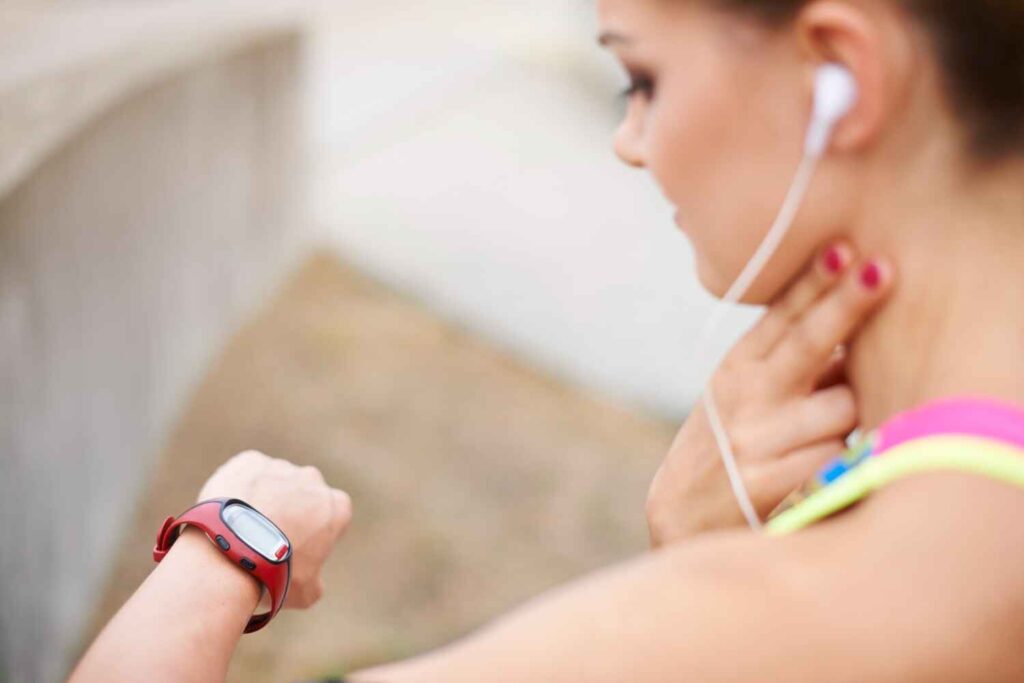
Common Misunderstandings
Many people think more features mean better results. That’s not always true.
It’s better to choose heart-rate trackers & wearables that fit your life. If you don’t run marathons, you may not need a high-end device.
Also, no tracker replaces regular checkups. They are tools, not doctors.
Techno Gater makes it easy to find the right wearable for your needs.
We offer reviews, buying guides, and honest advice. Our focus is on products that work, not just ones that sell.
Whether you’re new to tracking or upgrading, Techno Gater is here to help.
Explore the best heart-rate trackers & wearables today. Visit Techno Gater to find one that fits your lifestyle.
