
Mobile technology is changing the manner of connecting, creating, and consuming information in our lives due to its rapid evolution. The smartphone future no longer pertains to increased processing power or high-quality screenplays; it signifies an entire revolution of electronic communication.
Intelligent phones are not devices but smart ecosystems as they evolve with the new developments in artificial intelligence, better 5G connectivity, immersive AR, better battery tech, and stronger cybersecurity. These technologies are defining a smoother and customized user experience.
The next generation of smartphones will be even more automated, sustainable, and cross-gadget-capable as brands strive to provide smarter solutions, which will eventually redefine the way we live and work.
Smartphone Future: A Glimpse Into Tomorrow
The future of the smartphone revolves around being smart, flexible, and basically integrated into daily life. The devices are becoming versatile communication points connecting homes, cars, and wearable devices without any issues.
The major changes that should be anticipated in the next few years are:
- Smarter AI assistants
- Improved display technologies.
- Longer-lasting batteries
- Greater security structures.
- Deep ecosystem integration
Such innovations are defining the future of mobile innovation and changing the expectations of users all over the world.
AI-Powered Smartphones
The future of the smartphone lies in artificial intelligence. The current devices already can learn the user’s habits, optimize performance, and personalize the user experience.
Smarter Virtual Assistants
Assistants that are based on AI will be more talkative and anticipatory. They will be able to predict needs, plan automatically, and give proactive recommendations depending on daily activities.
Intelligent Performance Optimization
Smartphones of the future will be able to move resources dynamically to enhance the battery life and processing performance. This will guarantee easier multitasking and less lag in intensive work.
The use of AI will be able to make smartphones more familiar and turn them into active digital assistants instead of reactive ones.
Foldable, Rollable, and Flexible Displays
Display technology is also keeping up with the rapid developments and has taken part in the smartphone future. Foldable screens already exist, but rollable and stretchableones are being developed.
Advantages of Flexible Displays
The flexible display technology provides:
- Larger screen size without the need for a larger device size.
- Increased multitasking skills.
- Improved portability
The next generation gadgets can have variable screens that can be changed automatically depending on the activity of the user. With this innovation, the level of productivity, entertainment, and games will be greatly improved.
Battery Technology Breakthroughs
Mobile devices have faced battery constraints. The future of the smartphone is, however, characterized by significant gains in power efficiency and charging speed.
Solid-State Batteries
The solid-state battery technology has the potential to:
- Faster charging times
- Increased lifespan
- Improved safety
The users are likely to enjoy even a day-long or even days of battery life on a single charge.
Wireless Charging Evolution
The wireless charging will be more efficient and common. Technologies of the future could charge devices over short distances without coming into direct contact with a charging pad.
The development of batteries will remove one of the largest pain points of smartphone users.
6G Connectivity and Beyond
Internet connectivity will also continue to form an important part of the smartphone future. Though 5G continues to grow all over the world, studies on 6G technology are in progress.
What 6G Will Offer
The 6G networks will provide:
- Ultra-low latency
- Faster data transfer speeds
- Enhanced augmented reality capabilities
This connectivity will allow real-time holographic communication and immersive virtual reality. Better network speeds will be able to support AI-driven apps and cloud-based services better.
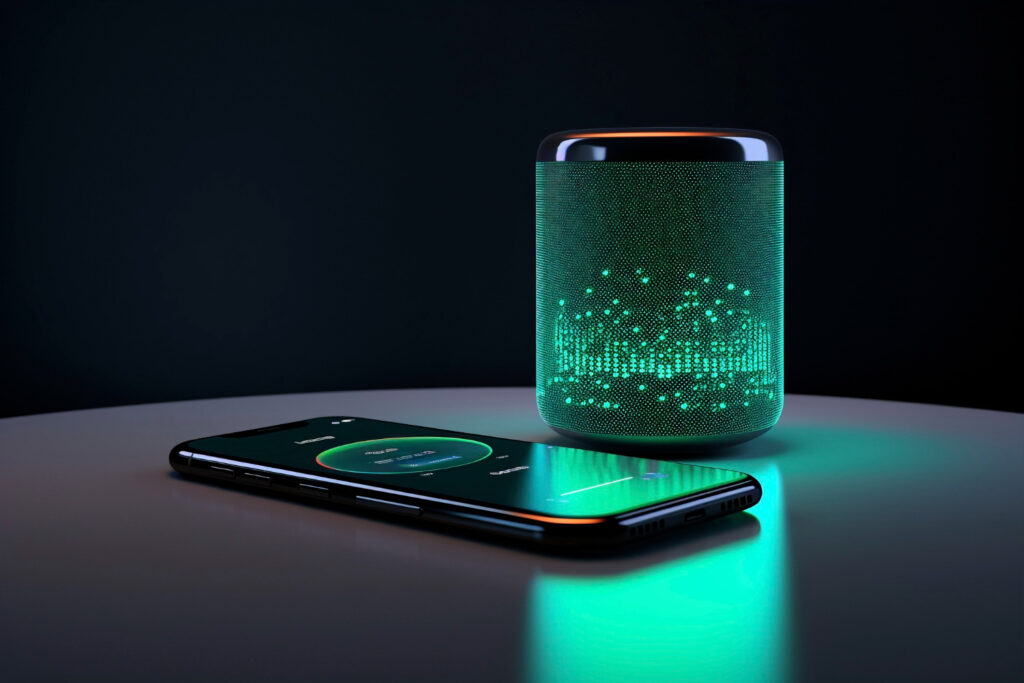
Augmented Reality and Mixed Reality Integration
A more advanced form of integration of augmented reality (AR) and mixed reality (MR) technologies is in the future of the smartphone.
AR in Everyday Applications
In future smartphones, AR overlay will improve navigation, gaming, shopping, and education. Digital elements will be communicated physically without anyhasslee by users.
Immersive Entertainment
AR-based games and virtual reality will be more realistic and captivating. Immersive content will be supported by high-performance processors and better sensors.
Since AR is going mainstream, smartphones will be potent entry points to digital and physical experiences.
Advanced Camera Innovations
The smartphone cameras have remained competitive with professional cameras. The smartphone future even has higher imaging features.
AI-Enhanced Photography
AI algorithms will be able to adjust the light, focus, and composition automatically. The users will take quality photos without having to make adjustments manually.
Computational Imaging
The devices in the future can employ the capabilities of having multiple sensors and sophisticated software to form ultra-detailed images. Night shots and video stabilization will be enhanced.
The enhancement of the cameras will also keep on propagating the smartphone upgrades to the consumers.
Biometric Security Evolution
Security is one of the greatest concerns for the smartphone’s future. The biometric systems are increasingly more precise and secure.
Advanced Facial Recognition
The systems of facial recognition in the future will operate effectively in different types of lighting. False positives will be minimized with increased AI processing.
Multi-Layer Authentication
Gadgets can be multi-factor authenticated with fingerprint scanning, face recognition, and voice recognition.
The innovations will enhance data security and convenienceforo the user.
Sustainable and Eco-Friendly Smartphones
The smartphone future is being influenced by the concept of sustainability, whereby manufacturers are trying to make smartphones have less effects on the environment.
Eco-Conscious Manufacturing
Companies are adopting:
- Recycled materials
- Energy-efficient components
- Sustainable packaging
Modular Design Concepts
It would enable future devices to have simple replacement of their components (increasing the product life and minimizing the amount of electronic waste). Knowledge of environmental responsibility will be a trademark in the manufacturing of smartphones.
Satellite Connectivity and Global Access
Another interesting feature of the smartphone future is satellite communication. Emergency satellite messaging is already supported by some modern devices.
Global Communication Access
The next generation of smartphones can provide:
- Direct satellite calls
- Global internet coverage
- Remote area emergency communication.
Such development will close the gaps in connectivity, as well as make the world a safer place.
Cloud-Based and Edge Computing Integration
Cloud computing is increasingly becoming more significant in mobile optimization of performance. There will be increased cloud and edge computing integration in smartphones.
Seamless Data Synchronization
Users will be enabled to have access to faster data and real-time synchronization of devices.
Enhanced Processing Power
Edge computing will lower the latency by computing the data nearer to the user. This will aid sophisticated AI applications with ease.
Cloud integration sees to it that smartphones are lightweight and, at the same time, provide powerful performance.
The Smartphone Future and Smart Ecosystems
Smartphones are becoming the focal point of connected software and hardware. The smartphone future is in the interaction between gadgets.
Smart Home Integration
The devices of the future will regulate the lighting, the security, the appliances, and the cars without much trouble.
Cross-Device Continuity
The users will be able to alternate between smartphones, tablets, and laptops. Instantly, files, apps, and notifications will synchronise.
The digital experiences will be simplified, and productivity will be enhanced by ecosystem integration.
What Consumers Should Expect
The consumers are to be ready to high speed innovation rates and decreased upgrade periods. Personalization, efficiency, and immersive experiences will be the main priorities of the smartphone future.
Key expectations include:
- Greater AI automation
- Enhanced privacy controls
- Faster connectivity
- Sustainable design
Being aware of the new technologies enables users to make better buying choices.

People Also Ask
1. What does the smartphone future look like in the next decade?
Artificial intelligence is set to be incorporated, as well as 6G connectivity, eco-friendly design, and enhanced biometric security in the future of smartphones.
2. How will AI shape the smartphone future?
The use of AI will make the smartphone even smarter and more efficient by personalizing, increasing performance, and making photography more efficient.
3. Will battery life improve in the smartphone future?
Sure, the future of smartphones involves the use of solid-state batteries and an enhancement of energy efficiency to offer even more time to use.
4. How important is sustainability in the Future of smartphones?
The eco-friendly materials and modular designs are vital in the smartphone future, as they make them less harmful to the environment, which is known as sustainability.
5. Will satellite connectivity be common in the smartphone future?
The future of smartphones is projected to make use of more satellite communication to provide enhanced connectivity and safety around the globe.
Conclusion
The smartphone future is characterized by intelligence, connectivity, and sustainability. The next generation of smartphones will change the digital interaction with smartphone-based tools, such as AI-based optimization, high-quality display technology, and satellite connectivity.
We feel that by knowing these trends, users and businesses will be able to adapt well at Technogater. With the further acceleration of innovation, smartphones will become even more potent gadgets that will help to increase productivity, creativity, and communication.
