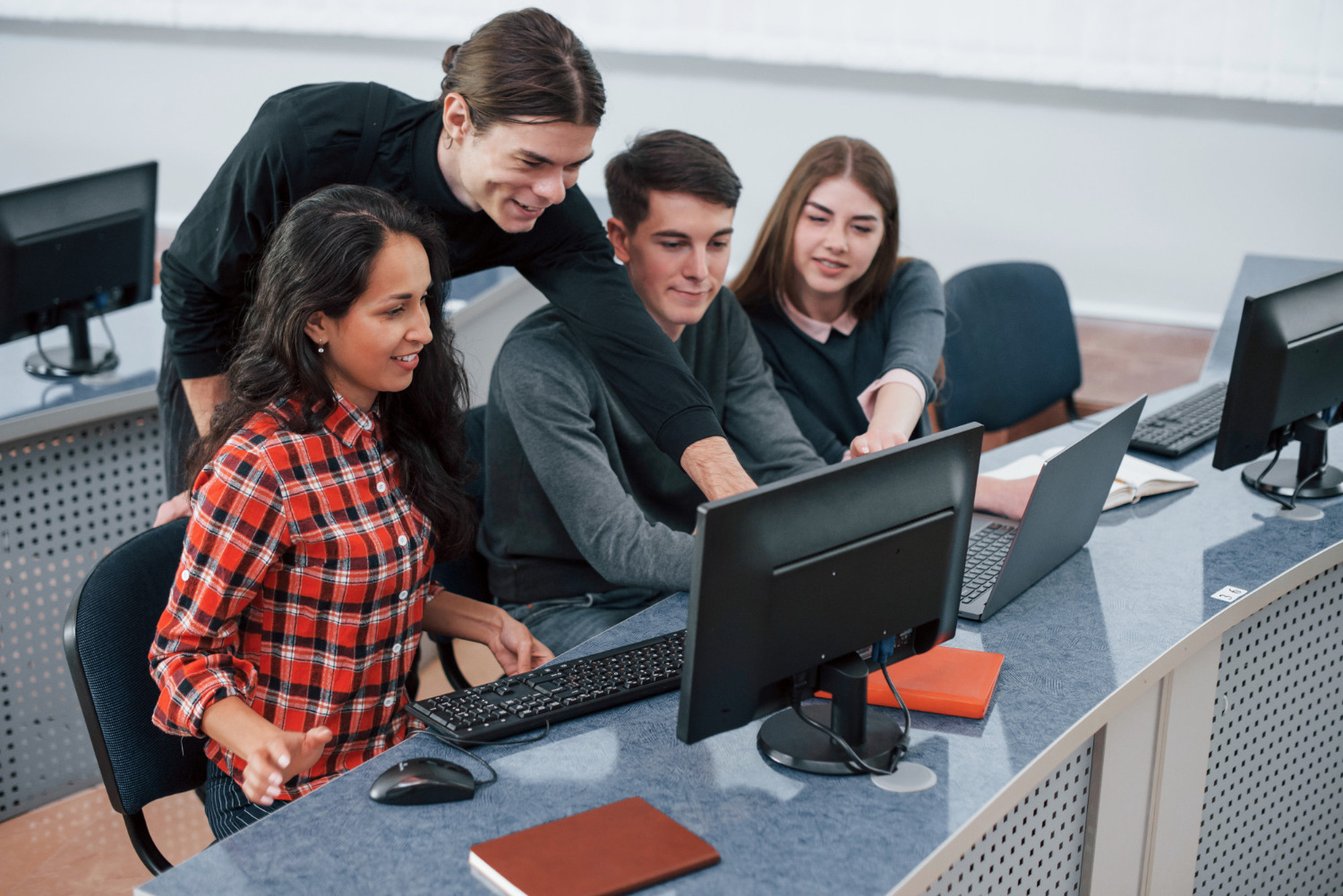
In the modern digitized society, Computing Basics for Students is a mandatory requirement at all levels of learning. Technology is so deeply intertwined with students’ learning, communication, and problem-solving, both in classrooms and at home.
An early understanding of computing concepts helps students become confident, independent, and responsible learners in the digital world.
A solid background in computing can equip the students with academic success and future employment at Technogater. This guide provides students and beginners with the necessary skills, tools, and concepts in a practical, understandable manner.
Why Computing Basics Are Important for Students
Studying the basics of computing is no longer a choice. It facilitates students in almost all the subjects and activities of the day.
Knowledge in computing assists students:
- Finish all the schoolwork effectively.
- Carry out online research without fear.
- Use digital means of communication.
- Gain problem-solving abilities.
- It is to prepare for future technology-driven careers.
A strong background in Computing Basics for Students will ensure they not only use technology but also become knowledgeable and conscientious members of the global digital landscape.
Understanding Computers and Digital Systems
What Is a Computer?
A computer is an electronic machine that handles information and generates valuable information. It obeys commands provided via software and touch by the user.
Any computer functions with the help of three primary stages:
- Input of data
- Processing of information
- Output of results
This entry-level cycle is an essential aspect of computing basics for students to understand.
Types of Computers Students Use
Students come into contact with various computers daily.
Common examples include:
- Desktop computers
- Laptops
- Tablets
- Smartphones
- Chromebooks
All the devices have educational applications that rely on portability, performance, and learning requirements.
Core Computing Skills Every Student Should Learn
Typing and Keyboard Skills
One of the simplest computing skills is typing. It helps students work more quickly and correctly.
Key typing skills include:
- Proper finger placement
- Simple shortcuts such as copy and paste.
- Improvement of speed and accuracy.
Good typing skills facilitate long-term academic productivity.
File and Folder Management
Students should be aware of the way to organize online information.
Important skills include:
- Creating folders
- Saving files correctly
- Renaming documents
- Backing up important data
Such habits are essential components of computing basics for students.
Internet and Email Basics
It is a crucial ability to use the internet responsibly.
Students should understand:
- How to search for information effectively
- How to evaluate reliable sources
- Basic email writing and etiquette
These are skills favored in academic and professional communication.
Essential Software Tools for Students
Operating Systems
A computer functions under the control of an operating system. It controls hardware, software, and the interaction.
The popular operating systems are:
- Windows
- macOS
- Linux
- Chrome OS
The navigation of an operating system is one of the essential aspects of computing basics for students to know.
Productivity Software
Productivity applications make students accomplish tasks and projects more quickly.
Common tools include:
- Word processors for writing
- Calculation information spreadsheet.
- Project presentation software.
The applications have been applied in schools and universities all over the world.
Educational Applications
Contemporary education is delivered online.
Examples include:
- Online classrooms
- Learning management systems
- Educational apps
Such tools enhance interest and individual learning.
Introduction to Computer Hardware
Input Devices
Input devices enable individuals to enter data into a computer.
Standard input devices include:
- Keyboard
- Mouse
- Touchscreen
- Scanner
- Microphone
Knowing input devices will enable the student to relate well to technology.
Output Devices
Resulting devices are used to identify the output or produce outcomes.
Examples include:
- Monitor
- Printer
- Speakers
- Headphones
They transform digital information into valuable data.
Storage Devices
Data are stored on storage devices for later use.
Popular storage options include:
- Hard drives
- USB flash drives
- Memory cards
- Cloud storage
Storage knowledge is a practical part of computing basics for students.
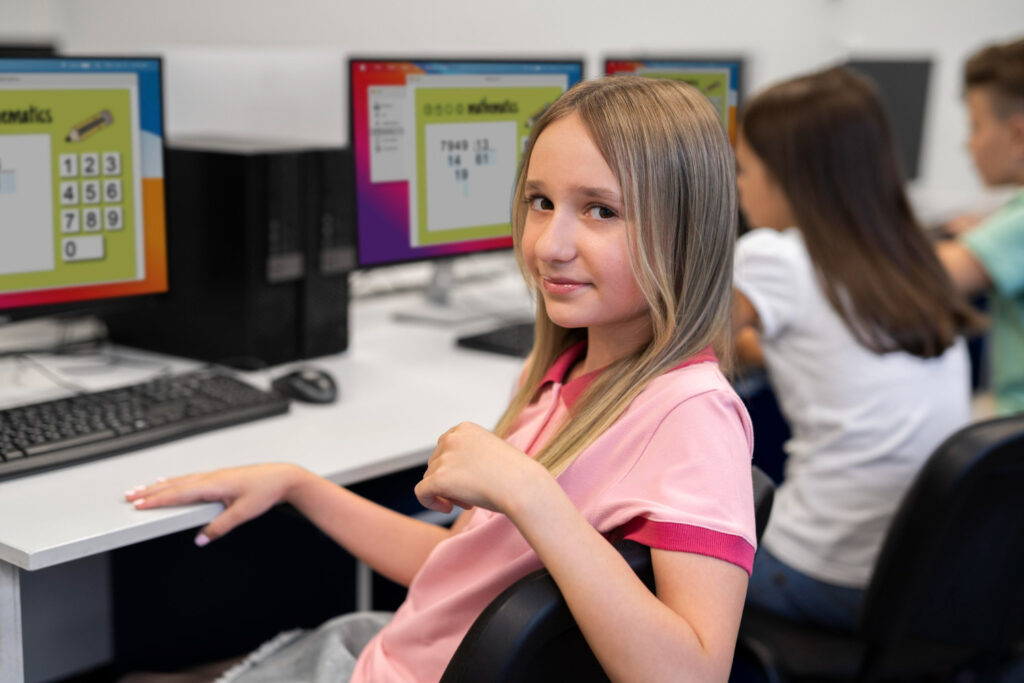
Understanding Computer Software
System Software
Computer core functions are controlled by system software.
Examples include:
- Operating systems
- Device drivers
- Utility programs
A computer will not operate without system software.
Application Software
Application software assists individuals in undertaking particular tasks.
Examples include:
- Browsers
- Media players
- Design tools
- Educational software
Students use application software in their daily learning activities.
Internet, Networking, and Online Safety
Computers around the world are connected by the internet, enabling the exchange of information.
Students should understand:
- Basic networking concepts
- Safe browsing practices
- Protecting personal information
- Recognizing online threats
Internet security is a significant issue in computing basics for students, particularly in a globalized world.
Basic Computing Concepts Explained Simply
Data and Information
Raw facts that are not processed are called data, and processed data that has meaning is called information.
Students must learn:
- How data is collected
- How it is stored
- How it is used to make decisions
This concept is the computing basics for students.
Algorithms and Logic
An algorithm is a step-by-step solution to a problem.
Understanding algorithms helps students:
- Think logically
- Solve problems systematically
- Learn programming easily
These are the skills that are crucial in computing education.
Cloud Computing
Cloud computing enables users to access data and software online.
Benefits include:
- Easy access
- Data backup
- Collaboration
Cloud services are widely available in education and the workplace.
Introduction to Coding and Computational Thinking
Coding shows the students how a computer obeys instructions.
Basic programming allows students to:
- Develop logical thinking
- Improve creativity
- Know problem-solving technologies.
Even basic coding activities reinforce computing basics for students skills and build confidence in using technology.
Computing Basics in Academic and Career Growth
Computing skills support education across all areas of study, including math, science, and even the humanities.
In the long term, these skills:
- Suggest an enhancement of academic performance.
- Grow online trust.
- Open barriers to technology professions.
At Technogater, we will urge students to regard computing as a skill to practice in life rather than a temporary subject.
How Parents and Teachers Can Support Learning
Adult support facilitates learning computing basics for students.
Helpful actions include:
- Promoting domestic practice.
- It is the provision of access to learning tools.
- Enhancing the use of safe technology.
- Promoting discovery and thereof.
The favorable learning environment enhances students’ understanding of computing fundamentals immensely.
Common Mistakes Students Make When Learning Computing
Avoidable mistakes are a significant cause of problems for many students.
Common issues include:
- Learning by rote rather than by heart.
- Ignoring basic concepts
- Poor file organization
- Unsafe internet habits
Early identification of the errors enhances learning performance.
Future Scope of Computing Skills
The technology keeps advancing at a high pace. Students with strong computing backgrounds can adapt to new tools more easily.
Future opportunities include:
- Software development
- Data analysis
- Cybersecurity
- Artificial intelligence
The knowledge of computers among students today equips them for future developments.
FAQs
1. What are the computing basics for students?
Basic computer knowledge among students includes understanding computers, software, hardware, and the digital skills required to learn and conduct their daily activities.
2. Why are computing basics essential in education?
Entry-level computer science helps students achieve academic success, develop digital literacy, and gain the skills to work in modern professional environments.
3. At what age should students learn computing basics?
Simple concepts can be presented to students at a young age, and as students progress in proficiency, complex ideas can be introduced.
4. Do computing basics help in non-technical subjects?
Yes, students can use basic computing skills, which will enhance research, communication, organization, and problem-solving in any subject.
5. How can students improve their computing basics?
Computing basics for students can be enhanced through regular practice, guided learning, and the responsible use of educational technology.
Conclusion
Teaching students the basics of computing is an essential part of achieving good academic performance and becoming digitally literate. These skills equip students to learn and have opportunities to learn, whether through hard and soft skills or through how to remain safe on the internet.
At Technogater, we are promoting the establishment of a strong computing foundation today to produce competent, techno-savvy learners tomorrow.
