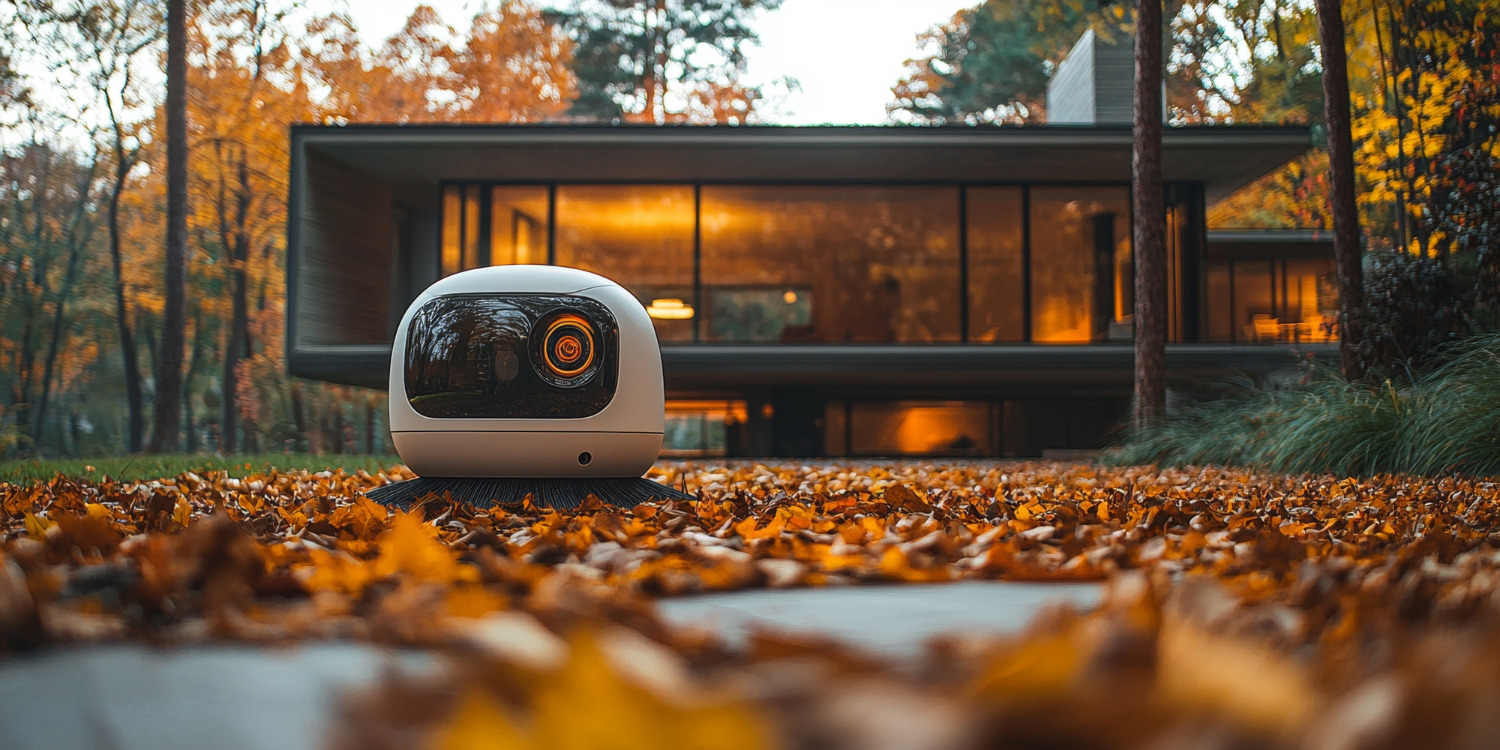
In the current society, safety is becoming a major concern in households, and smart home surveillance cameras are leading the pack in that regard. They are superior systems that include motion detection, cloud storage, AI-powered surveillance, remote access, and real-time notifications to provide well-rounded home protection.
Compared to traditional security systems, the modern smart cameras are seamlessly synchronized with mobile applications and other smart devices, and they enable the owner of the house to check on the activities of the house even when they are in any part of the world.
These systems offer convenience and tranquility with high-definition video, night vision, and intelligent recognition of threats. Surveillance technology in smart homes is becoming more efficient, secure, and easier to use than ever before in the process of smart home development.
Why Smart Home Surveillance Cameras Are Essential
The security issues in modern households are on the rise, including package theft and unauthorized access. Smart monitoring systems are preventive and can serve as witnesses to cases in case of incidents.
There are some benefits associated with smart home surveillance cameras:
- 24/7 real-time monitoring
- Timely mobile messaging.
- Remote access from anywhere
- Improved security of property.
- Peace of mind for homeowners
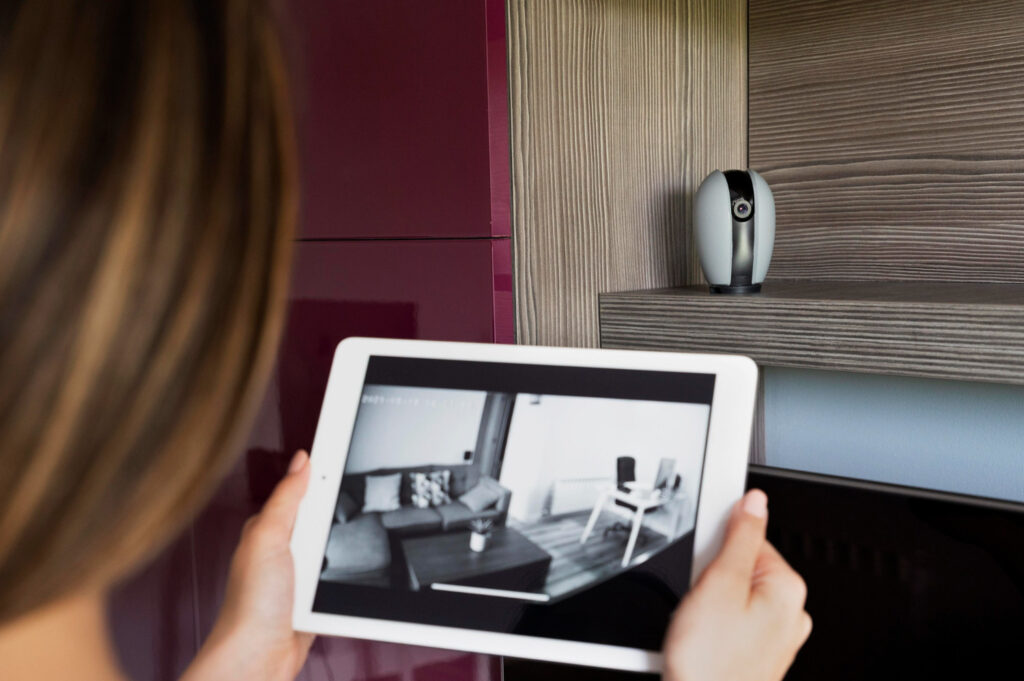
In contrast to conventional CCTV cameras, intelligent cameras are connected to Wi-Fi networks as well as mobile applications, which enable occupants to be connected with the house anytime.
Key Features to Look for in Smart Home Surveillance Cameras
To make a good choice of the device, one should know its key features that enhance performance and functionality.
High-Definition Video Quality
Clarity of images is essential in the recognition of faces, number plates, or suspicious behaviour. Ensure the cameras have a minimum resolution of 1080p or more to be more advantageous.
Night Vision Capabilities
High-powered night vision provides infrared power, which makes the footage visible in total darkness. There are also high-end models with colour or night vision to give them an edge.
Motion and Sound Detection
Motion sensors based on AI will prevent false alarms by identifying human and animal movement and environmental movement. Sound detection gives the system an additional security level.
Two-Way Audio
The two-way communication enables the homeowners to talk to the visiting or delivery personnel using the built-in microphone and the speaker of the camera.
All these capabilities make smart home surveillance cameras more efficient in contemporary homes.
Indoor vs Outdoor Camera Solutions
The distinction between the indoor and outdoor cameras is an understanding that can help in securing the appropriate coverage.
Indoor Cameras
The indoor units would be effective when used in the monitoring of living rooms, doors, and nurseries. They are also small in size and can be incorporated into house decor.
Outdoor Cameras
Outdoor cameras are weatherproof, and they are capable of withstanding extreme temperatures. They usually have spotlight features and sirens as deterrent features.
To have a fully safeguarded home, it is advisable to use a combination of indoor and outdoor smart cameras for surveillance.
AI and Motion Detection Advancements
Artificial intelligence has made a major advance in the area of surveillance technology. Contemporary systems see patterns so that they minimize the unnecessary alerts and enhance the accuracy of response.
Intelligent Detection Systems
AI-driven cameras can:
- Recognize familiar faces
- Detect unusual behavior.
- Separate the pets and people.
- Identify vehicles
These innovations increase the efficiency and minimize the alert fatigue of people living at home.
The use of AI would make sure that intelligent home surveillance cameras provide more accurate and responsive alerts.
Storage Options: Cloud vs Local
Storage is an important factor in ensuring that recorded footage can be used for future reference.
Cloud Storage
Recordings are accessible everywhere because of cloud storage. It also offers backup security in the event of gadget loss.
Advantages include:
- Automatic updates
- Secure data encryption
- Easy sharing of footage
Local Storage
Storage is local, and it makes use of microSD cards or network video recorders (NVRs). It removes the subscription fees but can restrict accessibility remotely.
The selection of an appropriate storage solution is determined by the security requirements and financial inclination.
Smart Home Integration and Compatibility
The new generation of smart surveillance cameras in homes is easily connected to digital ecosystems.
Voice Assistant Compatibility
Many systems work with:
- Amazon Alexa
- Google Assistant
- Apple HomeKit
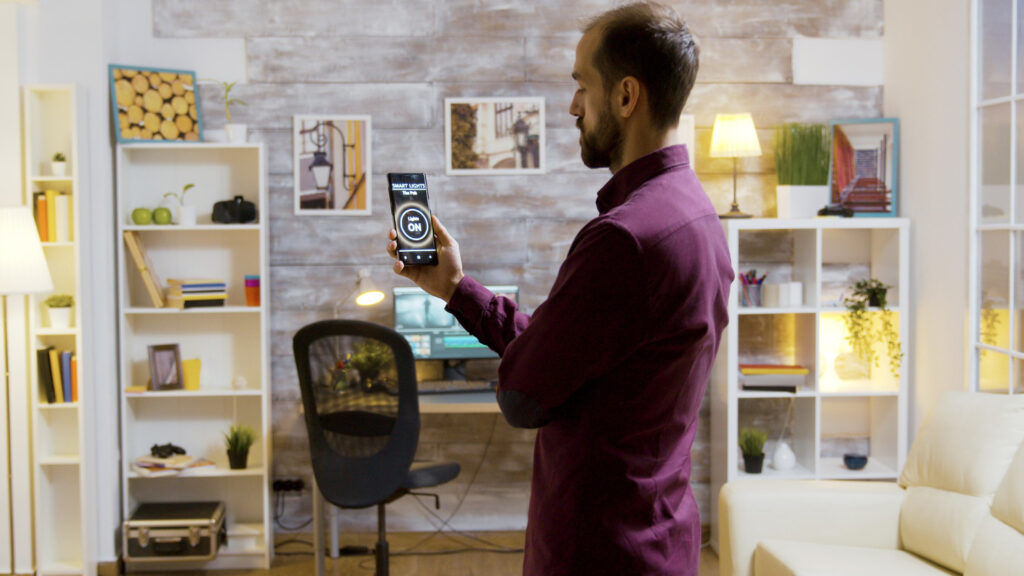
This enables users to operate cameras by voice and automation programs.
Automation Features
Motion can activate smart lights, alarm clocks, or door locks using surveillance cameras. This integration promotes the quality of security management.
The ability to fit into the existing smart devices will provide an integrated and efficient system.
Privacy and Data Protection Considerations
The main concern of the security systems should be the privacy of users and the protection of data. Trustworthy manufacturers apply encryption and secure authentication.
To protect your system:
- Use strong Wi-Fi passwords
- Allow two-factor authentication.
- Update firmware regularly
- Turn off unwanted remote access.
Using smart home surveillance cameras responsibly would guarantee that they contribute to safety without interfering with individual privacy.
Installation Tips for Maximum Coverage
The effectiveness of surveillance systems is determined by proper location.
Strategic Positioning
Install cameras:
- Near entry and exit points
- Neglecting driveways and garages.
- In high-traffic indoor areas
- At a high angle to cover a greater distance.
Cameras should not be set facing strong lights or reflective surfaces.
Proper installation streamlines the functionality of smart home surveillance cameras and reduces the blind spot.
Technogater Best Picks and Buying Guide
At Technogater, we suggest the consideration of products on a performance, durability, and value basis.
Consider Your Needs
Define what type of solutions you require: indoor, outdoor, or hybrid. Evaluate areas of coverage and cost restraints.
Evaluate Connectivity
Make sure the Wi-Fi is stable, and make sure that the mobile applications are compatible with your device.
Check Warranty and Support
There is reliable customer service and warranty cover that gives peace of mind in the long run.
When choosing the appropriate surveillance cameras in a smart home, it is necessary to find a compromise between technical capabilities and practical needs.
Common Mistakes to Avoid
Even quality systems can be defeated when poorly managed.
Avoid these common errors:
- Ignoring firmware updates
- Using weak passwords
- Placing cameras either too high or too low.
- Ignoring storage capacity.
By avoiding such errors, there will be performance uniformity and reliability.
Future Trends in Smart Surveillance
Automation and artificial intelligence are determining the future of surveillance technology.
Future innovations can be:
- Improvement of facial recognition.
- State-of-the-art behavioral analysis.
- Growing faster processing through edge computing.
- Camera solutions with solar power.
With the ever-changing technology, even the smart home surveillance cameras will become more efficient and easier to use.
People Also Ask
1. What are smart home surveillance cameras used for?
Surveillance cameras installed in smart homes report on the homes in real-time, identify movement, and provide immediate notification to improve the security of a home.
2. Do smart home surveillance cameras require Wi-Fi?
Wi-Fi is used in most smart home security cameras to provide live stream video (as well as notifications and access to cloud storage).
3. Are smart home surveillance cameras secure from hacking?
Smart home surveillance cameras are safe with encryption, tough passwords, and updates to their firmware.
4. Can I access smart home surveillance cameras remotely?
Yes, smart surveillance cameras in the house enable one to monitor remotely with specific mobile applications.
5. Do smart home surveillance cameras record continuously?
The smart homes also allow 24/7 recording (depending on the settings and storage plans), and some only record when movement is detected.
Conclusion
In the present security system, CCTV cameras in smart homes have become prerequisites. These provide real-time observation, artificial intelligence, and hassle-free communication with smart ecosystems. By purchasing good-quality devices, homeowners can enhance the security of the property significantly, and moreover, they should ensure correct installation.
We believe that we make smart decisions at Technogater to build smarter homes. With the chosen trusted smart home surveillance cameras, the individual can be confident of both privacy and comfort and peace in a world that is increasingly becoming interconnected.
