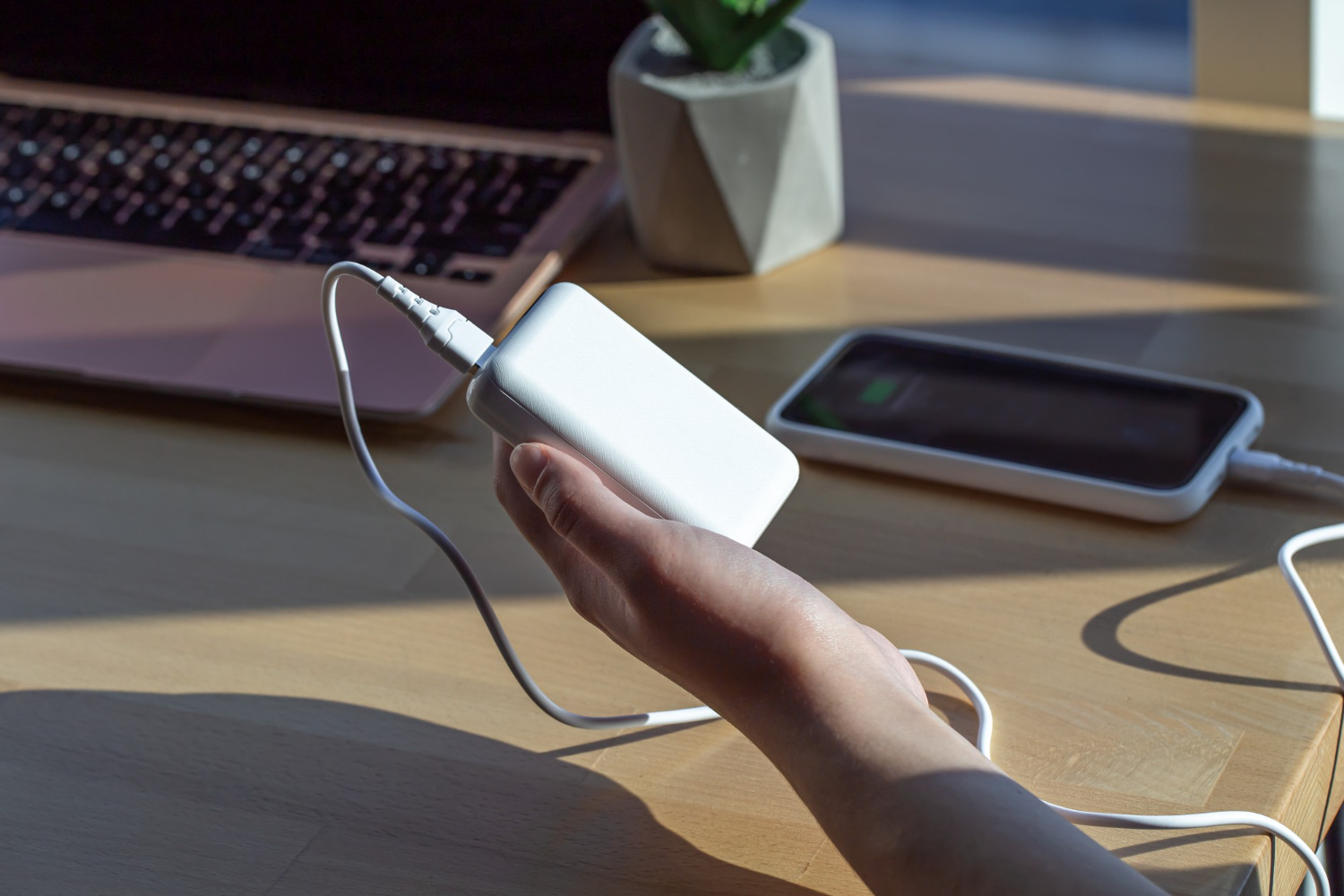
In the digital era, time is everything, and it can seem like an eternity when one has to wait and watch a phone charge. Fast charging technology comes in there. It has reshaped the way we charge our gadgets, allowing us to spend only minutes charging them instead of hours. Whether you’re in a hurry to a meeting or about to go to work, this innovation ensures that your device is always ready.
Speed and reliability in today’s electronics are valued at Techno Gater. We exist to ensure you understand the future and science behind fast charging technology and its advantages so you can make better decisions related to technology in the future.
How Fast Charging Technology Works
Conventional charging systems provide power at a constant, low voltage and current. In contrast, the fast charging technology is also safe, as it raises the rate of power transfer by dynamically adjusting the voltage and current.
- A typical charging requires an approximation of 5V/2A, and provides approximately 10 watts of power.
- Fast charging can charge at speeds of up to 65W or higher, depending on the charger and device compatibility.
In essence, fast charging increases the amount of energy supplied during the initial stage of charging, when your battery can absorb higher currents. The system will automatically slow down as it approaches full charge to prevent overheating and damage.
This is executed by a smart chip within your charger and device, which communicates in real-time to balance speed, temperature, and battery health.
Key Components Behind Fast Charging
Battery Chemistry
The modern lithium-ion and lithium-polymer batteries are the core of fast charging. Such batteries facilitate fast discharge and charge processes because of:
- Better anode and cathode materials with an increased ability to conduct currents.
- Intelligent Battery Management Systems (BMS), which detect temperature and voltage.
Better batteries will now feature multi-stage charging, allowing them to increase the current rapidly without harming it.
Power Adapters and Cables
Not all chargers are equal. Fast charging requires:
- Adapters with high wattage that meet a particular standard.
- Good cable that can transmit more current without heating or resistance loss.
It can reduce the charging speed and even damage your device by using cheap or uncertified accessories.
Charging Protocols
Charging protocols serve as communication languages between the charger and the device. The most common include:
- USB Power Delivery (USB-PD)
- Qualcomm Quick Charge (QC)
- In-house, such as VOOC by Oppo or Warp Charge by OnePlus.
All protocols deal with the safe and efficient transfer of power.
Different Types of Fast Charging Technology
The market offers several standards for fast charging, each with its own distinct advantages. We shall discuss the key players.
Qualcomm Quick Charge
- It is one of the oldest and most popular standards.
- Takes voltages up to 20 V and can deliver up to 100W of power.
- Supported by a variety of Android phones.
USB Power Delivery (USB-PD)
- An open standard hosted by the USB Implementers Forum (USB-IF).
- Operates on phones, tablets, laptops, and even cameras.
- Up to 240 W in the new models.
- Energy-efficient and innovative—power dynamics tailored to the device.
Oppo VOOC and OnePlus Warp Charge
- Features a high-voltage, high-current design for safer, cooler charging.
- Can charge phones to 50% in just 15 minutes.
- Requires proprietary chargers and cables for maximum efficiency.
Samsung Adaptive Fast Charging
- It works based on Qualcomm Quick Charge but is optimised for Samsung gadgets.
- Maximises charging by examining the device’s temperature and battery percentage.
Apple Fast Charging
- Available with the iPhone 8 and others.
- USB-C to Lightning cable USB Power Delivery.
- Charges of up to 50 per cent within approximately 30 minutes using compatible adapters.
All these fast-charging technologies are designed to be as efficient as possible without compromising safety or battery life.
Advantages of Fast Charging Technology
Fast charging is no alternative in our lives. Here are some key benefits:
- Time-saving: Recharge your phone to 50% in under 30 minutes.
- Portable productivity: Ideal with users who are on the move.
- Enhanced device usage: Maintain your devices for playing games, work, or communication.
- Universal compatibility: Using USB-PD, a single charger can serve multiple devices.
- Intelligent energy control: Guarantees against overcharging and overheating.
Simply put, the fast charge technology is the solution to the discrepancy between the high-performance devices and our hectic lifestyles.
Common Myths About Fast Charging
Despite its popularity, fast charging technology has several misconceptions associated with it. Let’s clear them up.
Myth 1: Fast Charging Ruins the Battery
Fact: Current devices have sophisticated battery control systems that regulate temperature and voltage. You should not worry about your battery as long as you use certified chargers.
Myth 2: All Fast Chargers Work the Same
Various brands have their own protocols. An iPhone cannot necessarily be charged at full speed using a Samsung charger; e.g., inquire about compatibility before purchasing.
Myth 3: Fast Charging Overheats Devices
A little bit of warmth is healthy, however, not hazardous. Intelligent chips control the output of thermal in relation to charge.
Myth 4: It Consumes More Power
Fast charging is also energy-saving, as it helps reduce the total time your charger remains plugged into the power source.
How to Safely Use Fast Charging
To enhance fast charging technology, abide by the following safety measures:
- Ensure that you use certified chargers and cables from good brands.
- Do not leave the battery to charge in excessive temperatures, particularly in direct sunlight.
- Remove phone covers that retain heat while charging.
- Most phones shut down at night, so there is no need to overcharge them; however, unplugging is still beneficial for battery life.
- Frequent updates from firmware manufacturers of charging devices can enhance performance through updates.
Safe habits help you prolong the life of the charger and device that you are using.
Future of Fast Charging Technology
The competition for faster charging is not slowing down. Future trends suggest charging speeds of more than 200W, which can charge a smartphone in under 10 minutes.
Innovations that are emerging are:
- Graphene-based batteries: with greater capacity and heat dissipation.
- Wireless fast charging: becoming efficient like wired connections.
- Bidirectional charging: where other gadgets can be recharged by the use of reverse charging technology on devices.
- AI-powered charging: dynamically changing power according to how user-friendly it is.
Techno Gater is a company that believes the development of fast charging technology will revolutionise energy efficiency in personal electronics. These innovations will also make their ecosystems smarter, safer and greener as they mature.
FAQs
1. What is fast charging technology?
Fast charging technology enhances the power transfer rate, allowing you to charge your device at a significantly faster rate compared to standard chargers. It regulates the current and voltage to ensure that the process is safe and efficient.
2. Does fast charging damage the battery?
No, not when done correctly. The best devices have certified chargers and integrated safety features to prevent overheating and ensure the optimal state of batteries during fast charging.
3. How long does fast charging take?
Fast charging technology can charge a smartphone to 50 per cent within 20 to 30 minutes, depending on the device’s capabilities and the charger’s power.
4. Can I use a fast charger on any device?
The device must be capable of fast charging. Otherwise, it will fall to standard charging rates.
5. What’s the future of fast charging technology?
There are even more anticipations of increased speed, safer energy management, and new technologies, such as wireless fast charging and batteries made of graphene, that are going to transform the industry.
Conclusion
In a world where everyone must complete tasks quickly, the concept of fast charging is no longer a luxury; it has become a necessity. This innovation enables users to work and stay connected with minimal downtime, as it is utilised in smartphones, laptops, electric vehicles, and other devices.
This is because knowledge of its functionality can enable you to make better buying decisions and keep your devices in optimal condition.
We are committed to providing you with credible insights and innovative solutions that enhance your digital presence at Techno Gater. You’ll find the latest chargers, accessories, and other gadgets – we are here to show you the way. Power up smarter. Power up with Techno Gater.
